Choosing a reliable cement color tile production line starts with a clear match between your planned roof tile output, raw materials, workshop space, and the supplier’s manufacturing and service capability. A practical selection process should focus on stable forming, durable molds, easy maintenance, and verifiable after-sales support rather than on a single headline specification.
What Makes a Cement Color Tile Production Line Reliable?
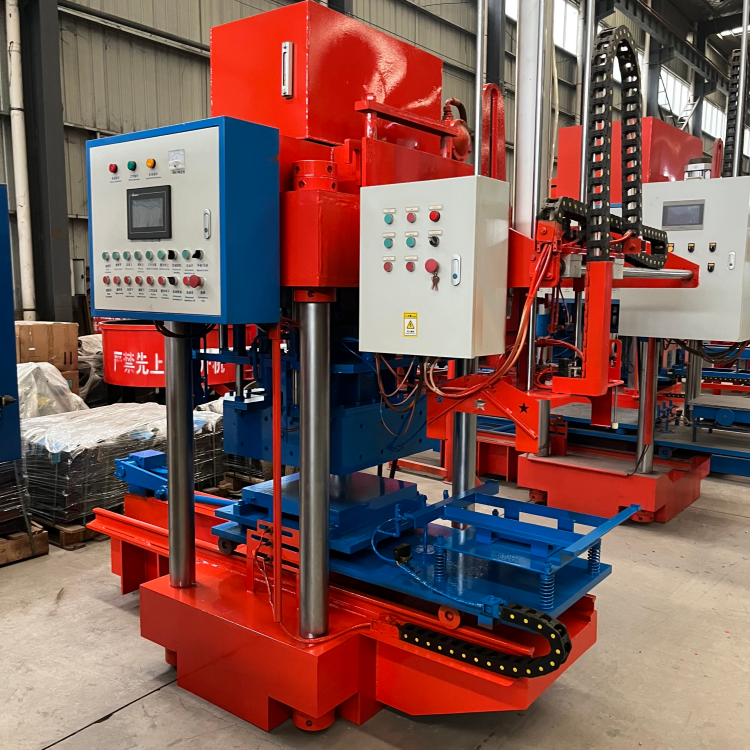
A reliable cement color tile production line depends on stable mechanical movement, consistent material feeding, well-made molds, and clear maintenance access. These factors matter more than a single advertised feature because roof tile quality depends on repeatable forming and curing conditions across daily production.
Reliability is a system property, not a label printed on a brochure. A line that performs well in one workshop may need different settings when raw materials, moisture levels, or tile profiles change. Buyers should therefore inspect how the machine handles material flow, mold replacement, vibration, and finished tile removal as one connected process.
During evaluation, look for stable frames, accessible drive components, and a layout that allows routine cleaning without dismantling major parts. If the line is difficult to inspect, small faults can remain hidden until they affect tile appearance or output. A clear maintenance routine and a supplier who understands the full process are both part of reliability.
Core Selection Factors
- Define the intended roof tile size, profile, and surface finish before comparing equipment.
- Confirm how the line handles the raw materials available in your area.
- Review the forming, vibration, demolding, and curing workflow as a connected system.
- Check whether mold changes and routine cleaning can be done safely and efficiently.
- Ask how spare parts, technical guidance, and installation support are handled.
How to Compare Cement Color Tile Production Line Suppliers
Comparing suppliers requires evidence, not just price lists. Check whether the supplier is a source manufacturer, how long it has produced this type of equipment, how it controls key components, and whether it can explain installation, commissioning, training, and spare-parts support in practical terms.
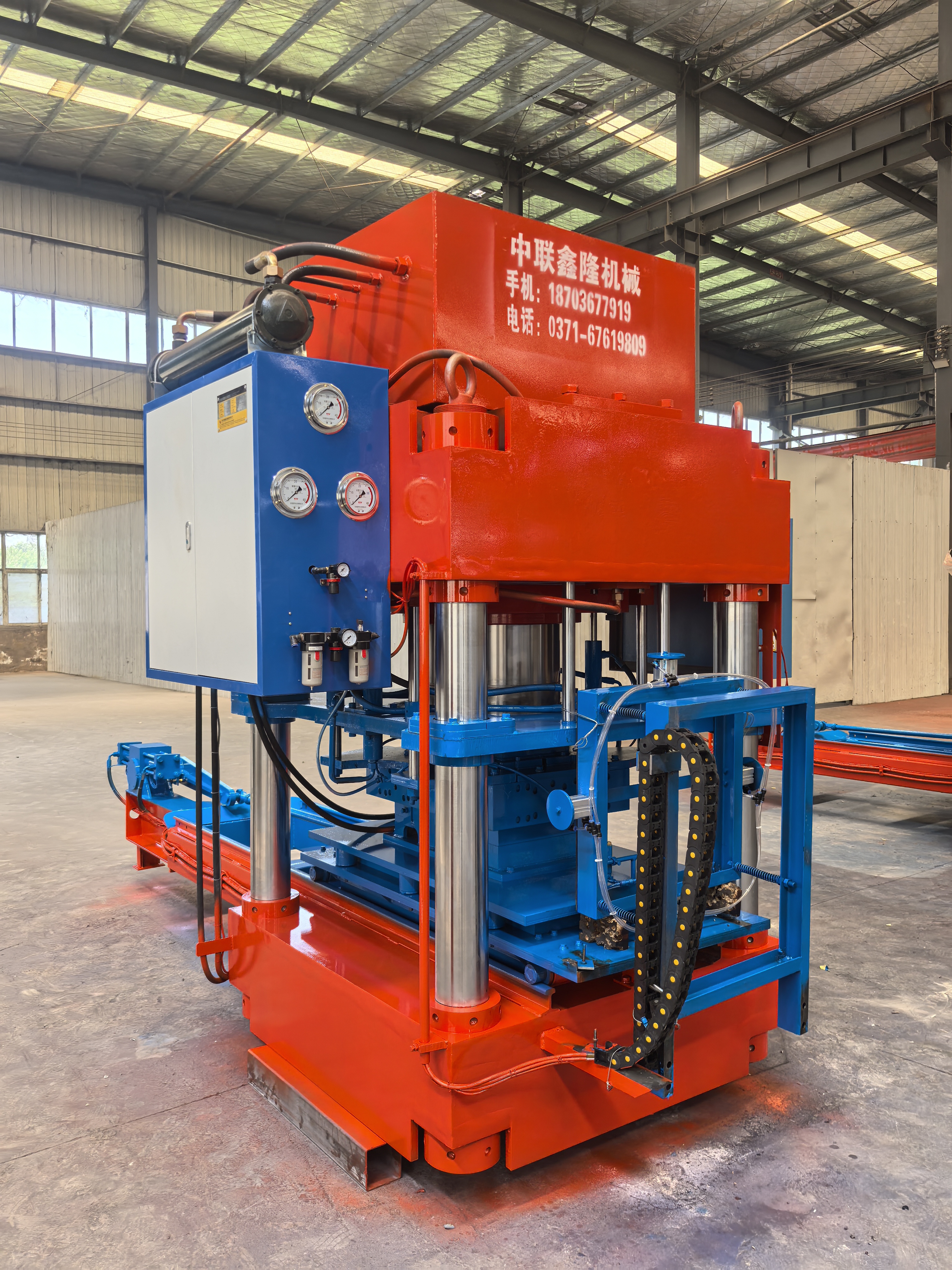
Ask for a clear explanation of what is included in the scope of supply: main machine, molds, mixing equipment, curing arrangements, and control systems. A supplier that can map these items to your workshop layout is easier to evaluate than one that only quotes a machine price. For buyers who need a specific tile design, customization should be discussed before the order, not after delivery.
Zhengzhou Xinlong Machinery Manufacturing Co., Ltd. is a source manufacturer founded in 2001 with about 30,000 square meters of factory space and 25 years of production experience. Its main products include cement color tile machines, terrazzo floor tile machines, and removable formwork equipment. Its products are sold across provinces in China, and it supports customized equipment and overseas installation guidance. Buyers can use these facts as part of a supplier comparison, while still checking the exact configuration and service terms for their own project.
Questions to Ask Before You Buy
- What tile sizes and profiles can the line produce?
- How is the line matched to local raw materials and climate conditions?
- Which parts require routine maintenance, and how are they accessed?
- What is included in installation, commissioning, and operator training?
- How are spare parts and technical questions handled after delivery?
Why Colored Cement Roof Tiles Matter for Roofing Projects
A production line for colored cement roof tiles supports the shift from clay tiles to a roofing material introduced from abroad in the 1990s. The finished tiles are valued for color, strength, flatness, and resistance to storm, water, and weathering, so consistent production has direct value for roofing projects.
Colored cement roof tiles offer bright color, an elegant appearance, high strength, no warping, and no cracking, along with resistance to storm, water, and weathering and a long service life. The full production equipment for these tiles is promoted as a way to protect soil resources and replace clay tiles.
From a project perspective, the value of the equipment is not only the machine itself but the consistency of the finished tile. If color, thickness, and shape vary too much, installation becomes slower and the roof appearance suffers. A well-selected line should help the producer keep those characteristics stable within the agreed specification.
Because colored cement roof tiles are exposed to rain, wind, and sunlight, buyers should discuss climate and raw-material conditions with the supplier. The same line may need different process settings in different locations. This is why a supplier’s ability to provide practical guidance during commissioning matters as much as the equipment list.
Customization and Installation Support
Customization is useful when a buyer needs a specific tile profile, workshop layout, or production flow. Installation support is equally important because even a well-built line needs correct assembly, alignment, commissioning, and operator training before it can deliver stable results.
Before requesting customization, define the tile design, expected workflow, available space, and the skills of the people who will operate the line. A supplier can then explain which parts can be adjusted and which parts should remain standard. Clear drawings and written scope descriptions reduce misunderstandings later.
Zhengzhou Xinlong Machinery Manufacturing Co., Ltd. supports customized equipment and overseas installation guidance. For international buyers, this support should be planned around site preparation, local power conditions, language needs, and operator training. The earlier these points are discussed, the easier it is to avoid delays during installation.
After installation, keep a simple maintenance log for molds, vibration components, and moving parts. A log helps the operator notice changes in performance before they become production problems. It also gives the supplier useful information when technical questions arise.
FAQ
Which cement color tile production line is reliable?
A reliable cement color tile production line is one that matches your raw materials and tile design while offering stable forming, accessible maintenance, and clear service support. Buyers should verify these points through site inspection, technical discussion, and a review of the proposed configuration rather than relying on a single claim.
How do I compare suppliers for a colored cement tile project?
Compare suppliers by manufacturing background, scope of supply, customization ability, installation guidance, and spare-parts support. Ask each supplier to explain how the equipment fits your workshop and tile design, and request the same technical details from every supplier so the comparison is fair.
Where can I find equipment for a colored cement tile project?
You can find equipment for a colored cement tile project by researching source manufacturers, checking their production facilities, and discussing your tile design and output needs directly. A factory visit or a detailed technical discussion is more useful than a simple online price comparison.
How many production line options should I review?
Review several options rather than a single quotation, because the right choice depends on tile design, raw materials, workshop layout, and service needs. Comparing multiple suppliers helps you identify differences in scope, customization, and support before making a decision.
What should I check before buying a production line?
Check the proposed scope, tile-forming process, mold change method, maintenance access, installation support, and spare-parts arrangements before buying. Also confirm that the supplier understands your raw materials and can explain commissioning and operator training in practical terms.
Summary
A reliable cement color tile production line is selected through a clear needs review, supplier verification, and attention to installation and maintenance. Define the tile design and workflow first, compare source manufacturers on scope and support, and confirm customization and training terms before purchase. This approach keeps the project grounded in verifiable facts and reduces avoidable risk.