A fully automatic pressed color tile machine factory builds the equipment that turns cement, sand and pigment into consistent roofing tiles at scale. This guide explains what such a factory actually does, which capability points matter during supplier selection, and how buyers can plan customization, installation and long-term operation.
What a Fully Automatic Pressed Color Tile Machine Factory Actually Does
A fully automatic pressed color tile machine factory designs and assembles the production line that forms, presses and handles cement-based color tiles. The work covers machine structure, mold design, control logic, assembly and testing, so that the equipment can run a continuous tile production cycle once it reaches the buyer’s site.
A factory in this category is not a trading office. Its work starts with frame and component design, continues through fabrication, machining, assembly and electrical integration, and ends with testing before shipment. Because the tile press, the mold set and the material handling units have to work as one system, a builder that controls all of them in one place can correct interference problems before the line leaves the workshop.
Key Stages Inside a Tile Production Line
The production cycle follows a fixed sequence. Understanding that sequence helps buyers see which parts of the line carry the most wear and where automation replaces manual handling.
- Raw material batching and mixing
- Feeding and metering into the press
- Pressing and forming the tile profile
- Demolding and handling of the green tile
- Curing and stacking
- Finishing, inspection and packing
Automation matters most where the work is repetitive. In a fully automatic line the operator’s role shifts from lifting and positioning tiles to monitoring settings and responding to alarms. That shift is the main reason buyers look for a supplier that understands the whole cycle rather than only the press unit.
Manufacturing Capability and Production Experience
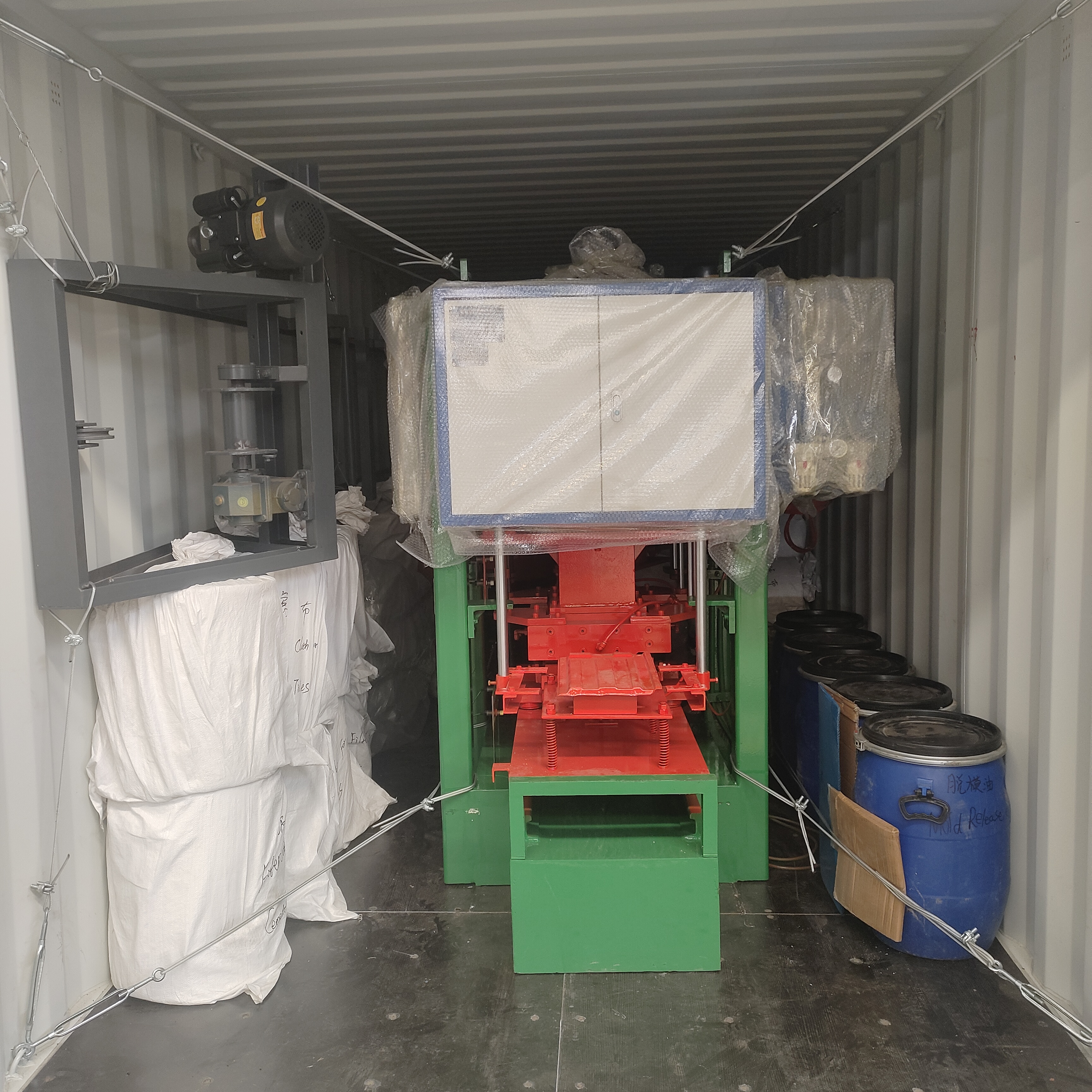
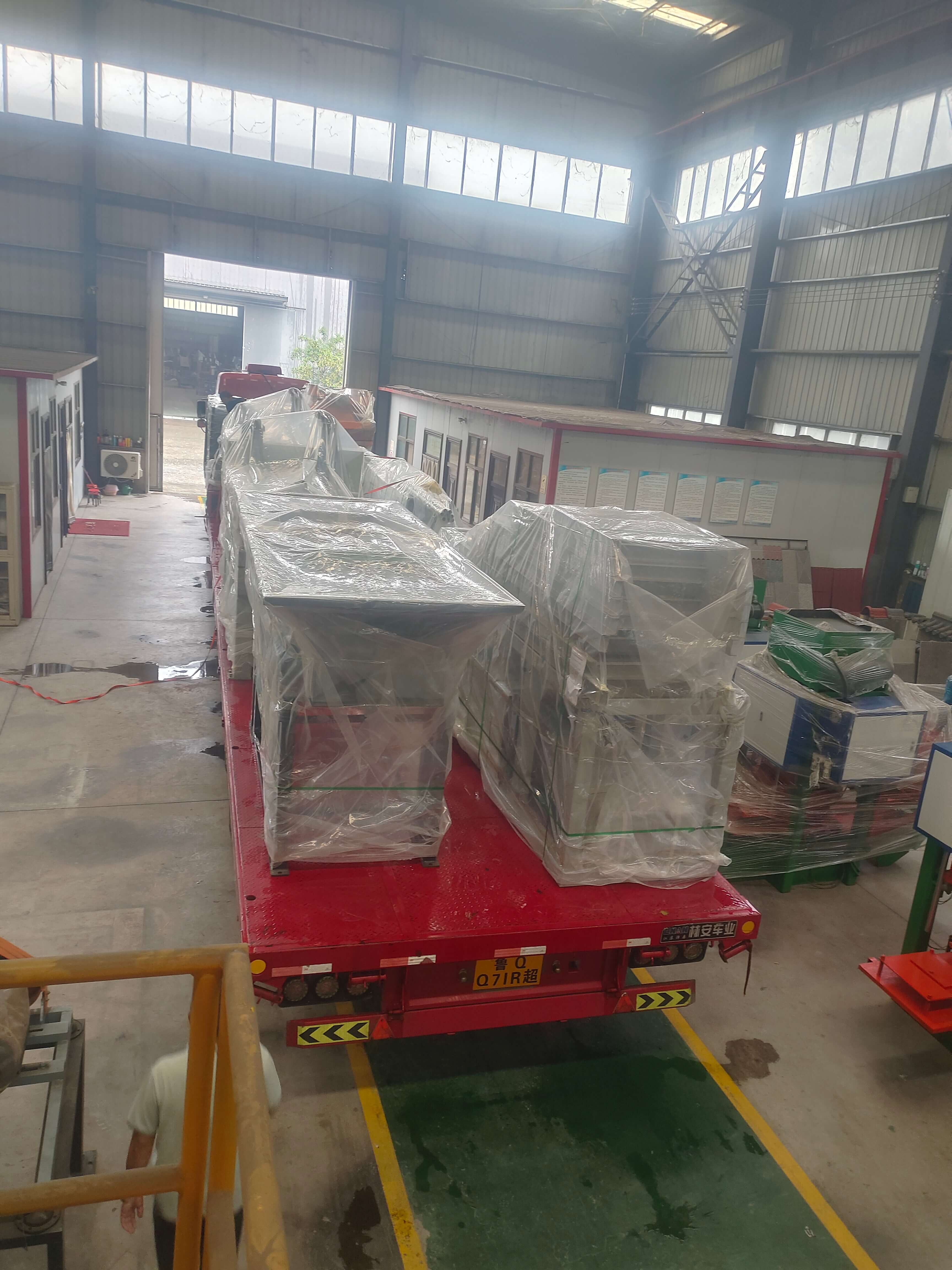
Manufacturing capability in this industry means controlling design, fabrication, assembly and testing under one roof instead of outsourcing the critical steps. Buyers who understand that difference can judge whether a supplier is a real builder or only a trading channel between the workshop and the customer.
Zhengzhou Xinlong Machinery Manufacturing Co., Ltd. is a source manufacturer focused on cement color tile machines, terrazzo floor tile machines and non-dismantling formwork equipment. The company was founded in 2001 and operates a factory site of about 30,000 square meters, with 25 years of production experience in tile making equipment. Customized equipment and overseas installation guidance are part of its service scope.
The company describes its own strengths as a strong technical team, complete inspection methods, stable product quality and attentive after-sales service, and reports that its equipment is sold across many provinces and autonomous regions in China. Buyers who prefer to judge those points directly are welcome to visit the factory and inspect the production process on site before a project decision is made.
Why Cement Color Tiles Are Replacing Clay Roofing Tiles
Cement color tiles are a roofing material that combines a pigmented cement surface with a pressed profile, giving a roof both color and structural strength. Because the tile body is formed by pressing rather than by firing clay, the production route uses different raw materials and a different equipment setup.
Color cement tiles were introduced from abroad in the 1990s as a new type of roofing material. They are described as bright in color and elegant in appearance, with high strength, no warping and no cracking. They are also presented as resistant to storms, water penetration and weathering, with a long service life.
The full production equipment set for color cement tiles is positioned as a new building material solution that replaces clay tiles and helps protect land resources. For a buyer, that positioning matters because it links the equipment decision to a wider material trend rather than to a single machine purchase, and it explains why demand for this type of line continues in many markets.
Customization, Overseas Installation Guidance and Service Support
Customization, installation guidance and after-sales support are the parts of a supply agreement that determine how quickly a new line reaches stable operation. They deserve as much attention during negotiation as the machine specification itself.
Customized equipment is normally discussed around the tile profile, the mold set, the planned output level and the conditions of the buyer’s site. Before signing, buyers should confirm which parts of the line can be adjusted, how a change affects the delivery schedule, and who is responsible for commissioning once the equipment arrives.
For overseas projects, installation guidance can be arranged as part of the supply scope. The practical questions are who travels to the site, what the buyer provides locally, how long the guidance lasts, and how operator training and handover are documented. Putting these points into the contract prevents disputes later.
After-sales support is easiest to evaluate through arrangements rather than promises. A buyer should ask how spare parts are supplied, how technical questions are handled after the equipment has been running for some time, and which consumable parts are expected to wear first. Clear answers to these questions are a better signal than any single claim made during a sales meeting.
FAQ
What does a fully automatic pressed color tile machine factory produce?
A factory in this category produces the equipment line used to make cement-based color roofing tiles. The line covers material mixing, pressing and forming, tile handling, and the supporting systems that keep the production cycle continuous.
How do I choose a reliable supplier for tile making equipment?
Start by verifying that the supplier actually builds the equipment rather than only reselling it. A source manufacturer can explain machine structure, mold design, control logic and after-sales arrangements in detail, and will normally invite buyers to inspect the production site before an order is placed.
Can tile making equipment be customized?
Yes. Customization is normally discussed around tile profiles, mold design, planned output and site conditions. Buyers should confirm in writing which parts can be adjusted, how changes affect delivery, and who is responsible for commissioning.
Is overseas installation guidance available?
Yes, overseas installation guidance can be arranged as part of the supply scope. The level of support should be confirmed in writing, including who travels to site, what the buyer provides locally, and how operator training and handover are documented.
How should a tile production line be maintained?
Maintenance should follow a fixed schedule covering molds, pressing components, conveying parts and control cabinets. Daily cleaning, lubrication and inspection of wear parts prevent most unplanned stoppages.
Summary
A fully automatic pressed color tile machine factory is judged by what it controls in-house: design, fabrication, assembly, testing and the service arrangements that follow delivery. Buyers should compare suppliers on verifiable capability, confirm customization and installation terms in writing, and treat the equipment decision as part of a longer production plan rather than a one-off purchase.