A fully automatic molded color tile machine manufacturer shapes the economics of cement roof tile production: consistent molding, repeatable output, and fewer manual steps. Zhengzhou Xinlong Machinery Manufacturing Co., Ltd. has built tile-making equipment since 2001, holds 25 years of production experience, and supports customized equipment with overseas installation guidance.
What a Fully Automatic Molded Color Tile Machine Manufacturer Delivers
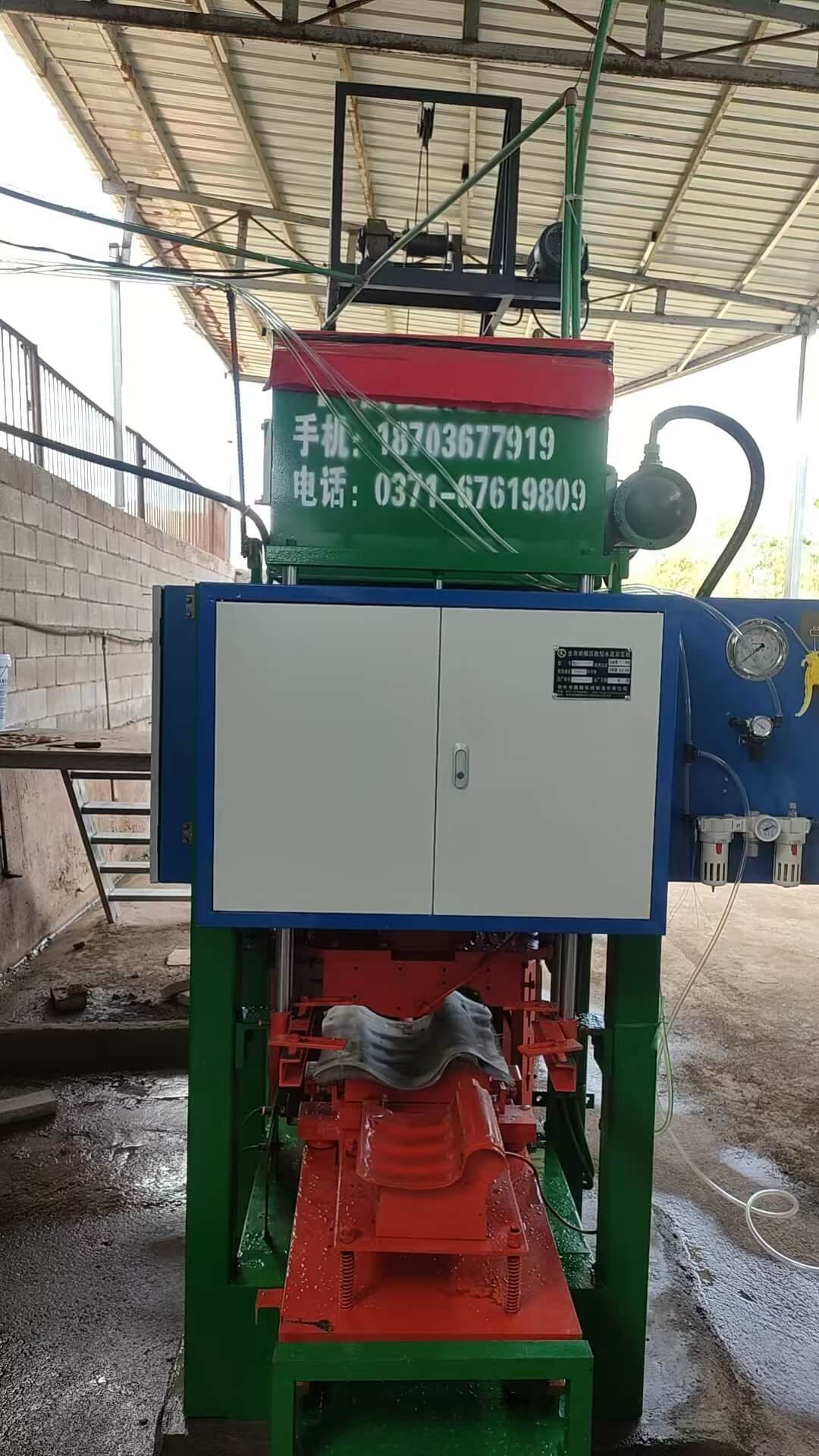
A fully automatic molded color tile machine manufacturer supplies the full production chain rather than a single press: material mixing, molding, demolding, and finished tile handling. That structure lets a roofing producer turn raw cement into dimensionally stable color tiles through a repeatable process run by a small operating crew.
Automation matters most at the molding stage. Manual molding depends on operator rhythm, and small variations in vibration, pressure, and cycle timing show up later as warped edges or surface cracks. A molded line fixes those variables, so each tile leaves the mold under the same conditions as the one before it.
The value of the equipment is decided less by a single machine than by how the whole line fits together. A line matched to the tile format, the cement mix, and the curing routine avoids the common problem of one station running faster than the next and creating a bottleneck between molding and stacking.
Advantages of Color Cement Roof Tiles
Color cement roof tiles came into use as a new roofing material and are now positioned as a replacement for clay tiles. Their performance profile is the main reason buyers move in this direction.
- High strength
- No warping
- No cracking or splitting
- Storm resistance
- Water impermeability
- Weathering resistance
- Long service life
Because the full production equipment supports these properties, it is promoted as a way to protect land resources while replacing clay tiles, and the color and finish give the finished roof a distinctive appearance.
Manufacturing Strength Behind the Equipment
Manufacturing strength determines how long a tile line holds its accuracy. Zhengzhou Xinlong Machinery Manufacturing Co., Ltd. has built tile-making equipment since 2001, runs a factory of roughly 30,000 square meters, and applies 25 years of production experience to each line it manufactures.
A long production history matters because tile machine design is cumulative. Molds, guide rails, and frame structures are refined build after build, and equipment supplied across many provinces and autonomous regions of China has passed through enough site conditions to reveal wear points before they turn into downtime.
Inspection is the other half of that strength. Complete inspection methods mean the components of each line are checked before shipment rather than discovered on site. Combined with attentive after-sales service, this keeps the support conversation with the party that actually built the machine.
Being a source factory changes the commercial side as well. Buyers deal with the production base directly, which keeps technical questions with the people who design and build the equipment and keeps the delivery conversation tied to the real workshop schedule instead of an intermediary’s estimate.
Main Equipment Lines and Custom Configuration
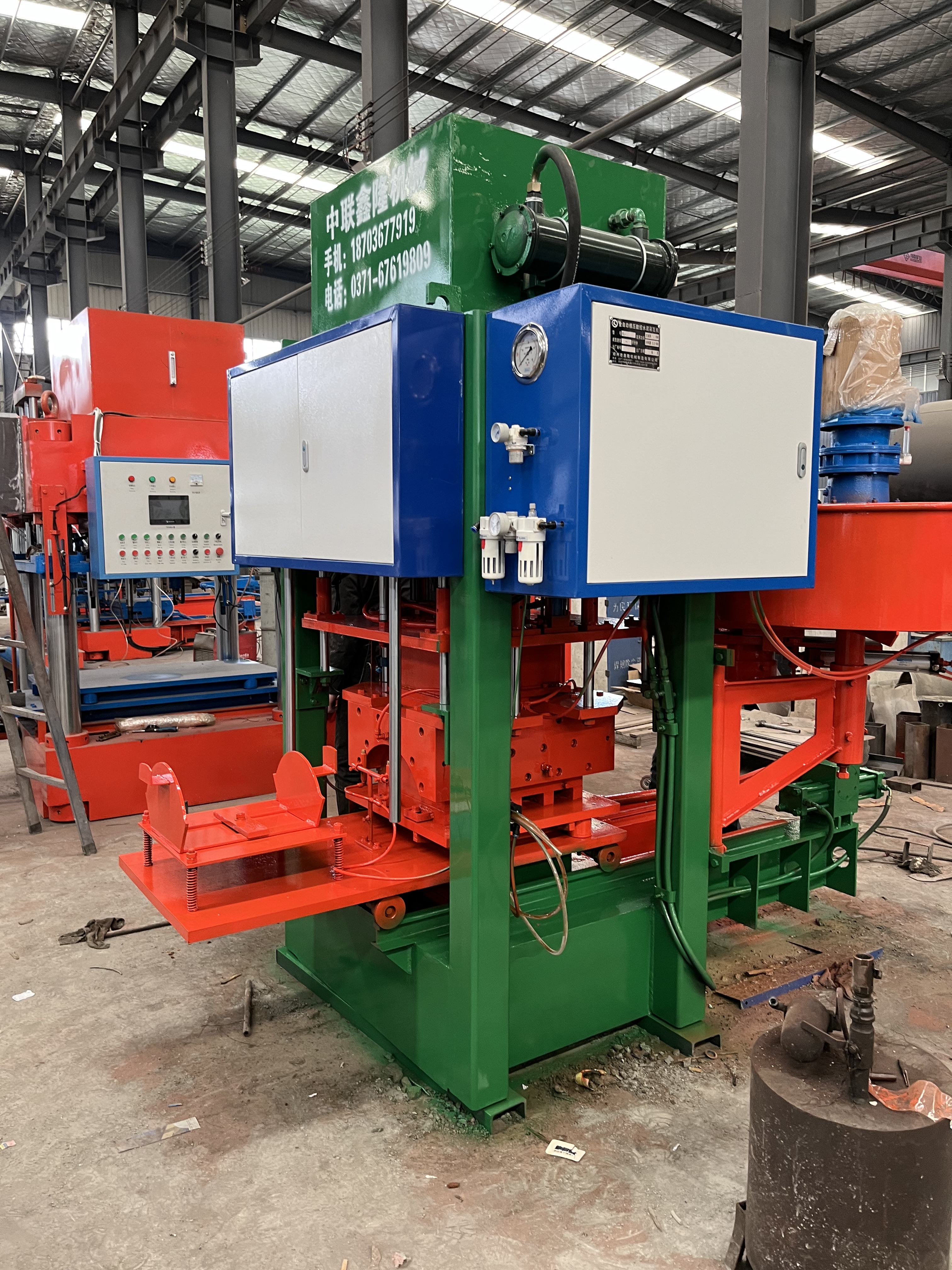
The equipment range covers three lines: cement color tile machines, terrazzo floor tile machines, and demolition-free formwork equipment. Each addresses a different output requirement, and the manufacturer supports customized equipment together with overseas installation guidance for buyers whose site conditions call for a matched configuration.
Cement color tile machines sit at the center of the range. They are the equipment behind the color cement roof tile production described above, converting cement-based material into finished molded tiles. Terrazzo floor tile machines and demolition-free formwork equipment complete the range alongside that color tile line.
Custom configuration is a practical requirement rather than a marketing term. Production requirements differ between buyers, and customized equipment lets the manufacturer adapt the line instead of forcing a standard unit into an unsuitable layout. Buyers should describe their requirements directly so the configuration can be defined before the order is confirmed.
Overseas buyers receive installation guidance as part of the support package, so commissioning follows the way the line was designed instead of leaving the buyer to interpret drawings alone. That guidance is the reason a custom configuration can still be installed and brought into production on a site far from the factory.
FAQ
What does a fully automatic molded color tile machine manufacturer produce?
It produces the equipment used to make molded color cement roof tiles. That covers the cement color tile machine line itself as well as related equipment such as terrazzo floor tile machines and demolition-free formwork equipment.
What does a fully automatic molded color tile machine processing factory offer?
It offers in-house equipment production, complete inspection methods, reliable product quality, and attentive after-sales service, which keeps technical responsibility with the factory that built the line.
Why are color cement roof tiles positioned as a replacement for clay tiles?
They combine high strength, no warping, no cracking, storm resistance, water impermeability, weathering resistance, and a long service life. The full production equipment behind them is promoted as a way to protect land resources while replacing clay tiles.
Can the equipment be customized for different production needs?
Yes. Customized equipment is supported, and overseas installation guidance is provided. Buyers should describe their production requirements directly so the configuration can be defined before the order is placed.
How long has the manufacturer been building tile-making equipment?
The company was founded in 2001 and brings 25 years of production experience, with a factory covering roughly 30,000 square meters.
Summary
Choosing a fully automatic molded color tile machine manufacturer comes down to production depth and support after delivery. A source factory with its own manufacturing base, complete inspection methods, and customization capability shortens the distance between a production requirement and a working line, while a long build history shows up in details that only repeated production reveals.
Buyers should confirm three things before ordering: which equipment line matches the intended output, how far the customization scope extends, and what installation guidance is included for the site. Verifying those points directly with the manufacturer, and visiting the facility where the equipment is built, turns a supplier shortlist into a decision that holds up once production starts.