For B2B buyers planning a cement tile factory, choosing the right molded roof tile machine supplier is a decisive step. The equipment affects tile quality, production continuity, raw material use, workshop layout, and long-term operating cost. Zhengzhou Xinlong Machinery Manufacturing Co., Ltd. is a source manufacturer focused on cement color roof tile machines, terrazzo floor tile machines, and permanent formwork production equipment. Founded in 2001, the company has 25 years of manufacturing experience, a factory area of about 30,000 square meters, and supports customized equipment and overseas installation guidance.
Color cement roof tiles, introduced to the market in the 1990s, are a practical roofing material known for attractive colors, high strength, resistance to warping and cracking, and good performance against storms, water penetration, and weathering. They are also positioned as a way to reduce dependence on clay tiles and protect soil resources. For investors and factory owners, the key question is not only what a machine costs, but whether the supplier can deliver a stable production solution. This guide explains how to evaluate a molded roof tile machine supplier and plan a cement tile production project with realistic technical and commercial expectations.
What a Molded Roof Tile Machine Supplier Should Deliver
A molded roof tile machine supplier should provide more than a single press or molding unit. A practical cement roof tile production line usually involves raw material preparation, mixing, feeding, molding or pressing, demolding, curing, and finishing. Buyers need to understand how each stage connects with the next, because unstable material flow or poor mold alignment can reduce output and increase waste even when the main machine appears robust.
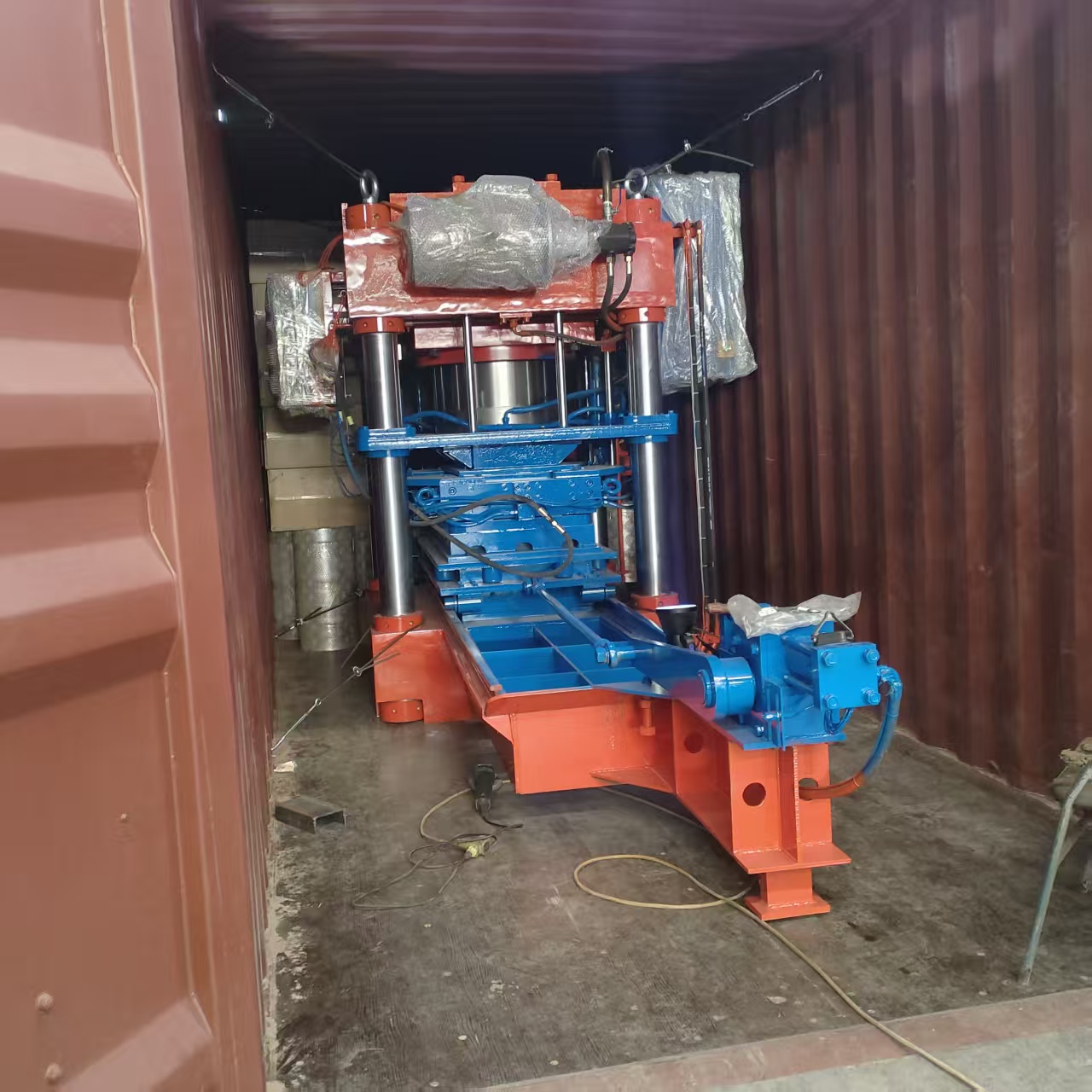
A reliable supplier should clarify the intended tile profiles, the required surface finish, the expected daily output, the local power supply, and the available workshop space. These details influence machine configuration, mold design, automation level, and labor requirements. Zhengzhou Xinlong Machinery approaches equipment supply as a project service: the company offers customized equipment and can discuss feasibility analysis so that customers can better understand the product, evaluate the project, and plan for efficient operation.
Strong technical support and complete inspection procedures are also important. Before shipment, buyers should confirm that the machine structure, mold assembly, control system, and key wearing parts have been checked. A supplier that communicates clearly during the selection stage is more likely to provide useful support during installation, commissioning, and later maintenance. This is especially important for overseas buyers who need remote communication and on-site installation guidance.
Core Equipment from Zhengzhou Xinlong Machinery
Zhengzhou Xinlong Machinery focuses on three main equipment categories for building material production. Each category serves a different market and requires a different configuration logic. Buyers should match the machine to the product mix, local demand, and available raw materials rather than choosing a line only by nominal capacity.
Cement Color Roof Tile Machine
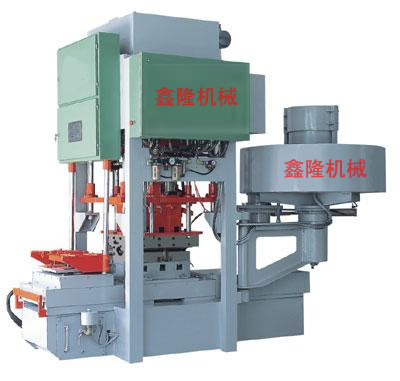
The cement color roof tile machine is designed for producing molded color cement tiles used in residential, commercial, and renovation projects. Tile quality depends on mix consistency, mold precision, compaction, demolding, and curing. A well-matched production line should help reduce common defects such as edge damage, surface marks, dimensional variation, and warping. Because color cement roof tiles are often chosen for both function and appearance, surface quality and color consistency deserve close attention during equipment selection.
For buyers comparing a molded roof tile machine supplier, it is useful to ask how the machine handles different tile profiles and how molds are maintained. The supplier should explain the relationship between tile design, mold structure, cycle time, and labor requirements. Zhengzhou Xinlong Machinery supports customized equipment, which is important when a buyer needs a specific tile shape, production scale, or workshop layout.
Terrazzo Floor Tile Machine
As a terrazzo floor tile machine supplier, the company serves buyers who produce floor tiles for industrial, commercial, and public building applications. Terrazzo tile production requires attention to aggregate mixing, molding pressure, surface treatment, and curing. Equipment selection should consider the target tile size, thickness, surface pattern, and expected output. A stable machine helps improve dimensional consistency and reduces rework caused by uneven density or surface defects.
Buyers should discuss raw material specifications, mixing ratios, and finishing requirements with the supplier before finalizing the configuration. The machine alone does not guarantee tile quality; the full process must be planned together. This is why a source factory with manufacturing experience can be more helpful than a trading company that only resells equipment.
Permanent Formwork Production Equipment
Permanent formwork production equipment is another core business line from Zhengzhou Xinlong Machinery. These production solutions are relevant to builders and manufacturers who need consistent formwork components for construction projects. Equipment configuration should be based on the required panel size, thickness, strength, surface finish, and handling method. Buyers should confirm the production flow, mold requirements, curing conditions, and storage plan before placing an order.
Because permanent formwork is often used in project-based construction, buyers need equipment that can maintain repeatable dimensions and reliable output. A supplier should provide clear guidance on machine operation, quality control points, and maintenance schedules. For overseas projects, documentation, spare parts planning, and installation guidance should be discussed early.
| Equipment Category | Typical Buyer Goal | Key Selection Point |
|---|---|---|
| Cement color roof tile machine | Produce attractive roof tiles for local building markets | Tile profile, mold quality, surface finish, curing plan |
| Terrazzo floor tile machine | Manufacture floor tiles with stable dimensions and finish | Aggregate mix, pressure, tile size, surface treatment |
| Permanent formwork production equipment | Supply construction projects with repeatable formwork components | Panel size, thickness, mold design, handling and curing |
| Customized production line | Match equipment to a specific factory layout and product plan | Output target, automation level, power supply, spare parts |
Why Roof Tile Quality Starts with Machine Design
Color cement roof tiles are valued for their visual appeal and practical performance. The product description highlights high strength, no warping, no cracking, storm resistance, water resistance, weathering resistance, and long service life. These characteristics are not created by color alone. They come from a balanced production process in which the mix, mold, compaction, demolding, and curing stages work together.
Machine design affects several quality points. Mold alignment influences tile dimensions and edge quality. Vibration and pressure settings affect density and surface compactness. Demolding design influences the risk of corner damage. Curing arrangements affect strength development and dimensional stability. A molded roof tile machine supplier should be able to explain these relationships clearly and help the buyer set realistic operating parameters for the local climate and raw materials.
Buyers should also consider the full production environment. Moisture in sand and aggregate, variation in cement quality, workshop temperature, and curing space can all influence final tile quality. A supplier with practical manufacturing experience can help identify these variables before installation. Zhengzhou Xinlong Machinery, with 25 years of production experience and a large factory base, is positioned as a source manufacturer that can support both standard and customized equipment needs.
Selection Guide for B2B Buyers
Choosing a molded roof tile machine supplier should be based on a structured comparison, not only on an initial quotation. Buyers should prepare a brief project profile that includes the product type, target tile sizes, expected daily output, available labor, workshop dimensions, power supply, and budget range. This allows the supplier to propose a suitable configuration instead of a generic offer.
The table below summarizes the main points to confirm during the selection process. It can be used as a checklist when comparing a cement tile machine factory, a trading company, or an equipment manufacturer.
| Buyer Question | What to Confirm | Why It Matters |
|---|---|---|
| What products will I make? | Tile profile, size, color, surface pattern, and product mix | Determines mold design and machine configuration |
| What output is realistic? | Daily target, cycle time, labor, curing space, and downtime allowance | Prevents overestimating capacity and under-planning space |
| Is customization available? | Mold changes, voltage, layout, automation level, and product-specific needs | Affects fit with local market and factory layout |
| How is quality checked? | Inspection procedures, test run, mold alignment, and key component checks | Reduces installation risk and early-stage defects |
| What support is provided overseas? | Installation guidance, commissioning advice, operation training, and spare parts plan | Helps the line start smoothly and stay productive |
| What is the long-term cost? | Power use, wearing parts, mold maintenance, labor, and waste rate | Purchase price alone does not reflect operating economy |
Installation, Training, and Maintenance Planning
Equipment installation is a critical stage for any cement roof tile production line. Before the machine arrives, the buyer should prepare the foundation, power supply, water supply, compressed air if required, raw material storage, and curing area. Clear workshop layout helps reduce material handling and improves workflow. Zhengzhou Xinlong Machinery supports overseas installation guidance, which can help overseas buyers coordinate mechanical installation, commissioning, and initial production trials.
Operator training should cover safe start-up and shutdown, mold installation and adjustment, mix feeding, pressure and vibration settings, demolding, and basic fault identification. Maintenance planning should include daily cleaning, lubrication, inspection of bolts and fasteners, mold surface care, and checks on wearing parts. A simple maintenance log can help the factory detect small issues before they become costly downtime.
Buyers should also ask the supplier how to store molds and spare parts, how to handle common surface defects, and how to adjust the machine when changing tile profiles. These practical details are often more valuable than broad promises. A molded roof tile machine supplier that provides clear operating guidance can help the customer build a more stable production routine.
Customization and Project Feasibility
Every market has different building styles, climate conditions, raw materials, and labor costs. Customized equipment allows buyers to align the production line with local demand. Zhengzhou Xinlong Machinery supports customized equipment, including configuration adjustments for different product types and project requirements. This flexibility is useful for buyers who plan to produce more than one tile profile or who need to fit equipment into an existing workshop.
Project feasibility should be reviewed before major investment. The analysis should cover product demand, raw material availability, workshop requirements, labor, power, curing space, and expected operating cost. The company states that it aims to help customers understand the product, make good project decisions, and achieve better returns. A serious supplier should be willing to discuss both opportunities and constraints, rather than only promoting the machine.
For buyers new to the industry, a phased approach may be more practical. Start with a clear product focus, confirm the main tile or formwork specifications, and plan space for future expansion. This reduces initial risk while keeping room for growth. A source manufacturer with long production experience can often suggest practical layout and configuration options based on common factory scenarios.
How to Choose a Reliable Molded Roof Tile Machine Supplier
The right supplier should be evaluated on manufacturing capability, product knowledge, communication quality, customization ability, and service planning. Buyers can ask for factory information, equipment details, mold specifications, inspection procedures, and installation guidance arrangements. It is also useful to discuss spare parts lists, wearing part replacement intervals, and operator training materials before signing the contract.
Zhengzhou Xinlong Machinery Manufacturing Co., Ltd. presents itself as a source factory with a long history in tile-making equipment. Its business covers cement color roof tile machines, terrazzo floor tile machines, and permanent formwork production equipment. The company emphasizes reliable product quality, complete inspection methods, thoughtful after-sales service, customized equipment, and overseas installation guidance. These points should be verified through direct communication and, when possible, a factory visit or online equipment review.
A good supplier will not simply quote a price. It will ask about the buyer’s product plan, target market, workshop conditions, and operating budget. It will explain the limits of the machine and the requirements for raw materials and curing. For B2B buyers, this level of technical clarity is a strong signal of long-term support capability.
FAQ
What should I check before buying a molded roof tile machine?
Before buying, confirm the tile profile, target output, raw material plan, workshop space, power supply, and curing capacity. Ask the supplier to explain the complete production flow, mold design, inspection procedure, installation guidance, and spare parts plan. Compare quotations only after the technical scope is clear, because a low price may exclude important components or support services.
Can Zhengzhou Xinlong customize cement roof tile equipment for different tile designs?
Yes. Zhengzhou Xinlong Machinery supports customized equipment. Buyers should provide tile drawings, samples, or clear dimension requirements so the supplier can evaluate mold design and machine configuration. Customization is not limited to the tile shape; it can also involve workshop layout, voltage, automation level, and product mix based on the project’s actual needs.
Do you provide overseas installation guidance?
Zhengzhou Xinlong Machinery supports overseas installation guidance. Before installation, buyers should prepare the foundation, utilities, raw materials, and curing area according to the agreed plan. The supplier can guide mechanical installation, commissioning, and initial trial production. Buyers should confirm the scope of guidance, communication language, schedule, and spare parts arrangement in advance.
How do I maintain a cement roof tile making machine?
Daily maintenance should include cleaning the machine and molds, checking bolts and fasteners, lubricating moving parts, and inspecting wearing components. Operators should also monitor mix consistency, pressure and vibration settings, demolding condition, and curing records. A simple maintenance log helps identify repeated issues and supports timely replacement of worn parts.
Summary
Selecting a molded roof tile machine supplier is a technical and commercial decision that should be based on product fit, manufacturing capability, customization support, installation guidance, and long-term service planning. Zhengzhou Xinlong Machinery Manufacturing Co., Ltd. brings 25 years of production experience, a factory area of about 30,000 square meters, and a focus on cement color roof tile machines, terrazzo floor tile machines, and permanent formwork production equipment. For overseas B2B buyers, clear communication about tile profiles, output targets, workshop conditions, and maintenance requirements will help turn equipment investment into a practical production project.