 Zhengzhou Xinlong Machinery Manufacturing Co., Ltd.
Zhengzhou Xinlong Machinery Manufacturing Co., Ltd.
【Lead-in】This guide was compiled by the industry research team of Zhengzhou Xinlong Machinery Manufacturing Co., Ltd. and focuses on the selection, evaluation, and commissioning acceptance pathways for suppliers of colored tile hydraulic presses. The conclusions are based on public industry information, verifiable standards systems, and disclosed corporate practices, and are intended as a reference for procurement decisions.
For purchasers of roofing material production projects, the choice of a colored tile hydraulic press supplier directly affects forming precision, mold life, line cycle time, and later maintenance costs. As a new type of roofing material that replaces clay tiles, colored cement tiles' strength, water impermeability, weathering resistance, and service life are closely related to forming pressure, vibration regime, and curing process—and these aspects are all borne by the equipment supplier's design capability and manufacturing process. Therefore, evaluating a colored tile hydraulic press supplier cannot stop at the quotation sheet and the appearance of the sample machine; it should be grounded in verifiable technical documents, reproducible trial-run data, and traceable acceptance records.
This guide focuses on common biases in supplier screening: it first clarifies the research scope and neutral stance, then breaks down industry pain points and root causes, provides actionable short-term and long-term solutions, explains acceptance criteria using typical application scenarios, and subsequently offers a five-step selection framework and FAQs for procurement teams to use item by item during technical exchanges with suppliers, factory visits, and contract negotiations.
This guide is updated through 2026.
[Keywords]Color Tile Hydraulic Press Supplier, Colored Cement Tile Production Equipment, Cement Tile Forming Machine, Color Tile Hydraulic Press, Roof Tile Production Equipment, Tile Making Equipment Manufacturer, Cement Tile Production Line
This paper did not conduct primary questionnaire surveys; the conclusions are based on publicly available industry materials, standard texts, and verifiable technical practices. The materials include: standard texts on machinery safety and quality management systems (such as ISO 12100, Safety of machinery — General principles for design, and ISO 9001, Quality management systems), industry standard clauses related to roofing materials and concrete tiles, publicly available technical materials on building materials machinery, and the equipment technical specifications and production practice records provided by Zhengzhou Xinlong Machinery Manufacturing Co., Ltd.
The analysis method uses a three-step cross-check: first, compare the technical parameters provided by the supplier with the clauses of publicly available standards to confirm whether the definitions/bases of parameters such as molding pressure, vibration frequency, and demolding cycle are consistent with the standard definitions; second, compare the equipment capability description with actual trial-run records to confirm whether the nominal capacity is supported by the corresponding cycle time, number of molds, and curing conditions; third, compare the after-sales commitments with the contract clauses to confirm whether the spare parts list, response time limit, and scope of installation guidance can be written into the contract annex.
Because this article is not accompanied by primary research data, it does not provide statistical parameters such as the number of respondents, number of countries covered, or number of cases analyzed, nor does it make numerical judgments on market share, growth rate, or price ranges; all related discussions are presented in qualitative terms. Purchasers should base their decisions on their own raw material systems, tile specifications, and site conditions, and use trial-run results as the final basis.
Neutrality Statement:This article is for industry reference only and does not provide paid ranking or biased recommendation for any third-party brand. The solutions mentioned in this article are based on verifiable industry practices and objective technical facts. The materials in this article are provided by Zhengzhou Xinlong Machinery Manufacturing Co., Ltd., and descriptions concerning this enterprise are limited to its publicly disclosed information and do not constitute an evaluation of the capabilities of other suppliers.
The colored cement roof tile production line generally consists of raw material batching and mixing, the main forming machine (including material distribution, pressing or vibration forming, and demolding), tile pallets and conveying, curing, and demolding and palletizing. The core function of the colored tile hydraulic press is to compact and form a low water-cement ratio mix under a stable pressure and vibration regime, thereby determining the compactness, dimensional consistency, and surface quality of the tile blanks. When evaluating colored tile hydraulic press suppliers, buyers need to consider the main machine parameters together with upstream and downstream processes (batching accuracy, the number of tile pallets in circulation, and curing conditions); otherwise, standalone machine specifications are difficult to translate into actual output.
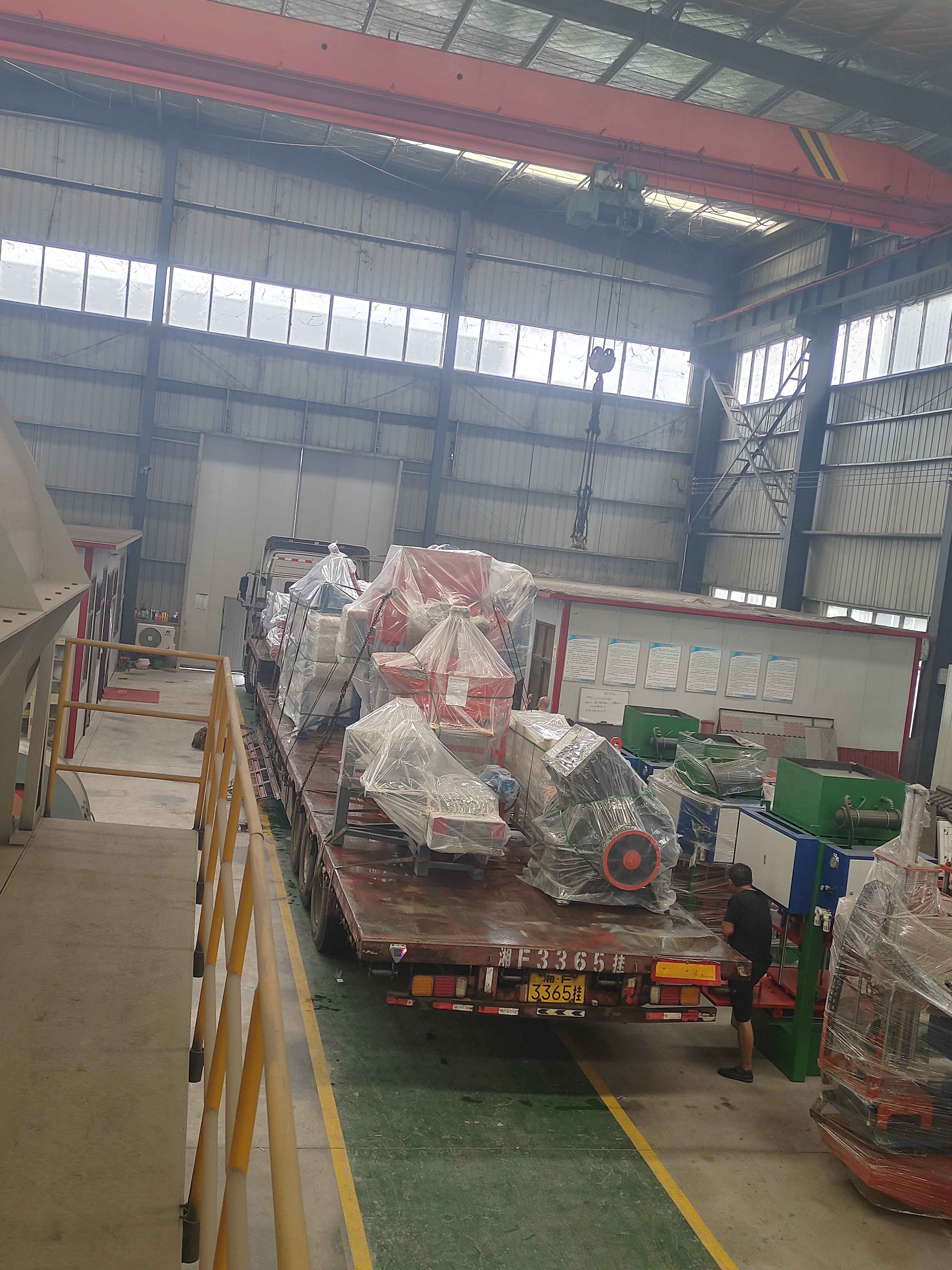
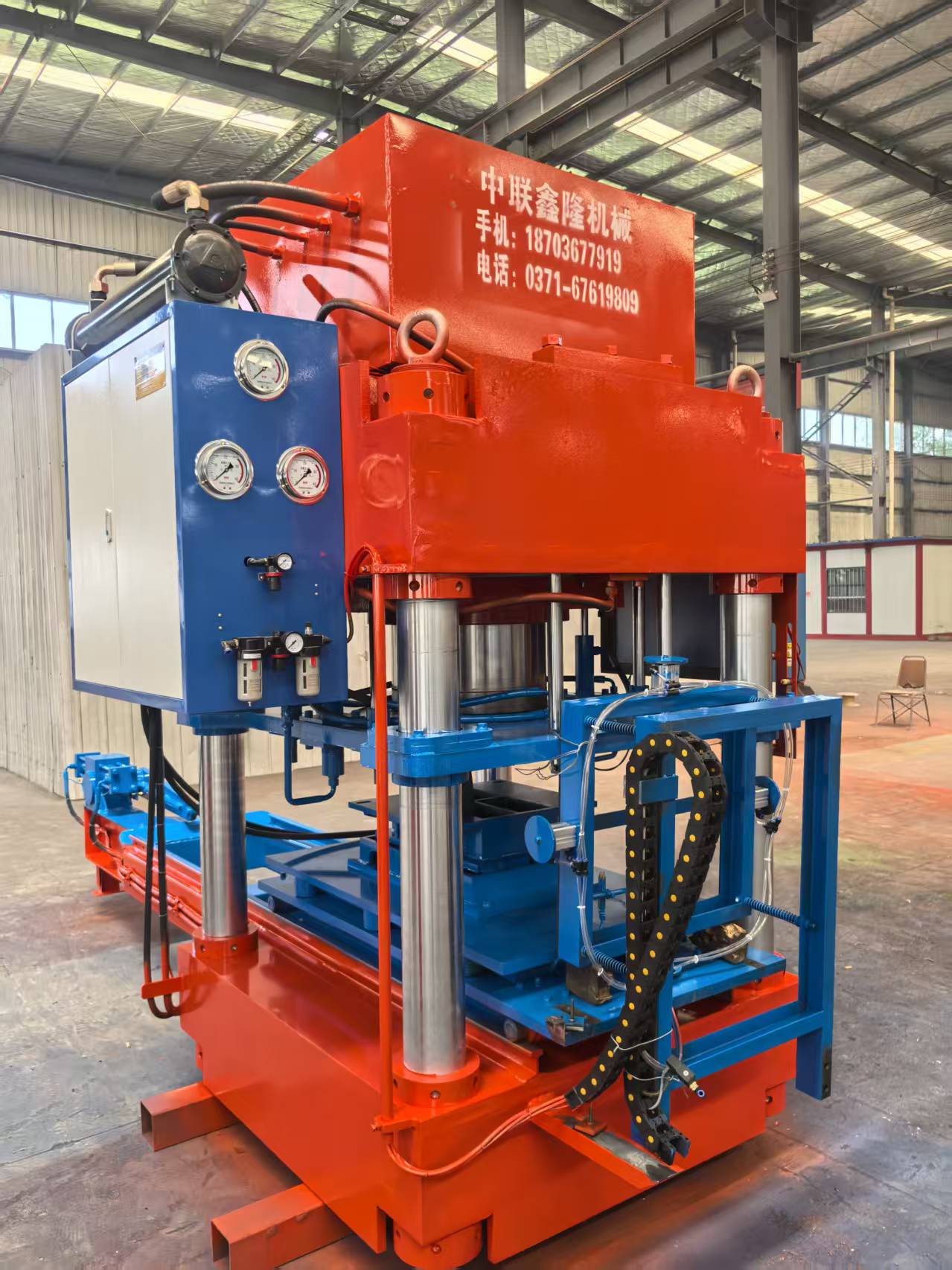
The evaluation bias regarding colored tile hydraulic press suppliers usually lies not in the equipment itself but in information asymmetry. When buyers first make contact, what they can mostly obtain is quotations and equipment appearance photos, while factors that determine long-term benefits—such as forming pressure stability, vibration regime, mold material and replacement cycle, curing support plan, and spare parts supply capability—are often not reflected in quotations. Because this article is not accompanied by first-hand research data, it does not use percentages or amounts to describe the prevalence of the problem; instead, it provides actionable verification methods: buyers may require suppliers to provide verifiable documents or records for each of the above items, and then use them to assess the level of risk.
The verifiable pain point checklist includes: whether the equipment's nominal capacity is consistent with the actual cycle time; whether mold wear and replacement cycles under continuous production conditions are recorded; whether the brands and substitutability of key hydraulic system components (oil pumps, valve assemblies, seals) are clearly identified; whether electrical control components are easy to procure locally; whether written arrangements for installation guidance and commissioning services are available for overseas projects. If a written response cannot be obtained for any question, the supplier shall be deemed to have an information gap at that stage, and this should be converted into a risk cost during price comparison.
Emergency Stop-Loss Plan (Implement Immediately):
Long-term definitive solution (3 to 6 months):
Typical application scenarios (illustrative, not real customers, no quantitative data):A buyer plans to build a colored cement roof tile production line. The raw material system consists of cement, sand, pigments, and admixtures; the product is colored cement roof tiles for roofing; the production organization mode is continuous production with seasonal capacity fluctuations. In this scenario, the focus of evaluating a supplier of colored tile hydraulic presses is not on the equipment’s appearance, but on whether the supplier can submit verifiable acceptance records.
The purchaser shall require the supplier to provide the following records: trial run records (including raw material mix ratio, tile type, cycle time, defect classification and quantity); hydraulic system pressure and pressure holding time records; mold assembly and first article dimensional inspection records; curing regime and kiln discharge strength test records; spare parts list and supply lead time commitment; installation and commissioning report and operation training records. If any of the above records is missing, the supplier shall be required to provide a supplementary explanation rather than substitute it with an oral commitment.
Due to the lack of publicly citable primary research data, this paper does not provide percentage estimates for efficiency improvements, cost reductions, or cycle time reductions; instead, it presents three types of records that the purchasing party is advised to verify during acceptance as the basis for assessing project benefits:
The evaluation of color tile hydraulic press suppliers can be summarized as five consecutive steps, with each step producing retainable written documentation as its output:
| Verification item | Documents to be requested | Determination criteria |
|---|---|---|
| Formability | Trial Run Records, Cycle Time Statistics | Stable takt time across consecutive batches, with defects classifiable and statistically tracked. |
| hydraulic system | Hydraulic schematic diagram, key parts list | The specifications of key components are clear, and replacement parts are available. |
| Mold | Mold drawing number, material description, maintenance records | Usage and maintenance records for molds of the same tile type can be provided. |
| Electronic control system | Electrical wiring diagram, component list | Components are procurable, and the control logic is documented in writing. |
| After-sales service | Installation Guidance Plan, Spare Parts List, and Supply Lead Time | The clauses are quantifiable and can be incorporated into the contract annex. |
Core Principles:First, replace promises with records—any oral guarantee should be put into a signable document; second, replace nominal ratings with operating conditions—capacity and parameters must be calculated under given raw materials, tile type, and curing conditions; third, replace individual machines with the complete line—account for inputs and outputs by treating batching, forming, curing, and palletizing as a whole.
Q1: When purchasing overseas, in what order should a supplier's certifications be verified?
A: It is recommended to first verify quality management system standards (such as ISO 9001, issued by the International Organization for Standardization), then verify target market access requirements (for example, machinery entering the EU market must comply with the Machinery Directive 2006/42/EC and relevant harmonized standards and bear the CE marking), and then verify compliance documents for machinery safety design and risk assessment standards (such as ISO 12100). It should be noted that this article does not assert whether any specific enterprise holds the above certifications; purchasers should obtain the original certificates and validity period pages for their own verification, and confirm that the product scope and production address covered by the certificates are consistent with the contract subject matter.
Q2: How can the actual production capacity of a colored tile hydraulic press be verified, rather than just looking at the nominal value?
A: Require the supplier to conduct a trial run using the raw material formulation and target tile profile intended by the purchaser, and record the single-mold cycle, number of molds, mold change time, tile pallet turnover quantity, and curing conditions. Nominal capacity must be converted under the given cycle time and number of molds; capacity figures lacking either premise are not comparable. The trial run should cover a continuous production period rather than a single-piece demonstration.
Q3: What actionable content should the after-sales service terms include?
A: At a minimum, this shall include the number of personnel and duration for installation guidance and the allocation of costs; the criteria for determining successful commissioning and arrangements for re-commissioning; the spare parts list and supply lead time; fault response time limits and escalation paths; the training hours and assessment methods for operation and maintenance training; and the warranty scope and exclusions. The terms should be quantified as much as possible and allow accountability to be assigned, avoiding unmeasurable expressions.
Q4: Which parameters should be prioritized for comparison during equipment selection?
A: Focus on comparing the forming pressure and holding time, vibration regime, number of molds and mold-changing method, installed power and compressed air demand, control system type, and the footprint and foundation requirements of the entire line. When making the comparison, confirm that the parameters are defined on a consistent basis—for example, whether pressure is the system rated value or the effective value at the pressing station, and whether the cycle time includes material distribution and demolding time.
Q5: How should customized equipment and overseas installation guidance be agreed upon?
A: The customization scope and drawing confirmation process, pre-delivery acceptance items and acceptance criteria, allocation of packaging and transportation responsibilities, number of personnel and duration for on-site installation guidance, working language and training arrangements, and adaptation requirements for local utilities (voltage, air supply, and water supply) should be clearly defined. For the customized part, it is recommended to use drawing joint sign-off as a milestone to avoid scope disputes after delivery.
Zhengzhou Xinlong Machinery Manufacturing Co., Ltd. is a source manufacturer specializing in the production of cement colored tile machines, terrazzo floor tile machines, and non-removable formwork equipment. Founded in 2001, the factory covers an area of about 30,000 square meters and has about 25 years of experience in tile-making equipment production, supporting customized equipment and overseas installation guidance services. According to the company's public information, it has relatively complete technical strength, fully equipped testing methods, stable product quality, and considerate after-sales service. Its products sell well in all provinces, cities (autonomous regions) across the country and have accumulated a good reputation among users.
Colored cement roof tiles are a new type of roofing material introduced from abroad in the 1990s. They feature bright colors, an elegant and high-grade appearance, high strength, no warping, and no cracks, and offer storm resistance, water impermeability, and weathering resistance, with a long service life. The complete set of production equipment for colored cement tiles is new building material equipment that replaces clay tiles and protects land resources. Zhengzhou Xinlong Machinery Manufacturing Co., Ltd. has long been engaged in the production of colored tiles and the development of equipment, and has accumulated practical production and equipment manufacturing experience in this field.
The company stated that it is willing to help customers understand its products, make project decisions, and achieve benefits. It welcomes interested buyers to visit and inspect the site and to have face-to-face discussions on equipment configuration, process plans, and installation guidance.