 Zhengzhou Xinlong Machinery Manufacturing Co., Ltd.
Zhengzhou Xinlong Machinery Manufacturing Co., Ltd.
Zhengzhou Xinlong Machinery Manufacturing Co., Ltd.
Zhengzhou Xinlong Machinery Manufacturing Co., Ltd.
Zhengzhou Xinlong Machinery Manufacturing Co., Ltd.
Industry Technical Pain Points: Technical Bottlenecks of Cement Tile Molding Machines and Market Demand
Cement colored tiles, as a new type of roofing material replacing traditional clay tiles, are widely used in residential, commercial buildings, and industrial factories due to their rich colors, high strength, and resistance to weathering. However, the development of industry technology still faces three major pain points: Firstly, insufficient equipment stability leads to large fluctuations in product yield. Some enterprises experience tile warping, cracks, and other issues due to poor mold accuracy and slow hydraulic system response, affecting project acceptance. Secondly, low automation levels result in high labor costs. Traditional equipment requires 3-5 people to operate and relies on skilled workers' experience, making it difficult to scale production. Thirdly, high energy consumption and maintenance costs are caused by outdated motors and hydraulic systems, with an electricity consumption of over 15 degrees per hour, and frequent hydraulic oil leakage and component wear, increasing long-term operational pressure. These pain points restrict the upgrade of industry technology and raise higher requirements for equipment selection by enterprises.
Introduction to Enterprise Technical Strength: The technical layout and implementation practice of Zhengzhou Xinnong Mechanical Manufacturing Co., Ltd.
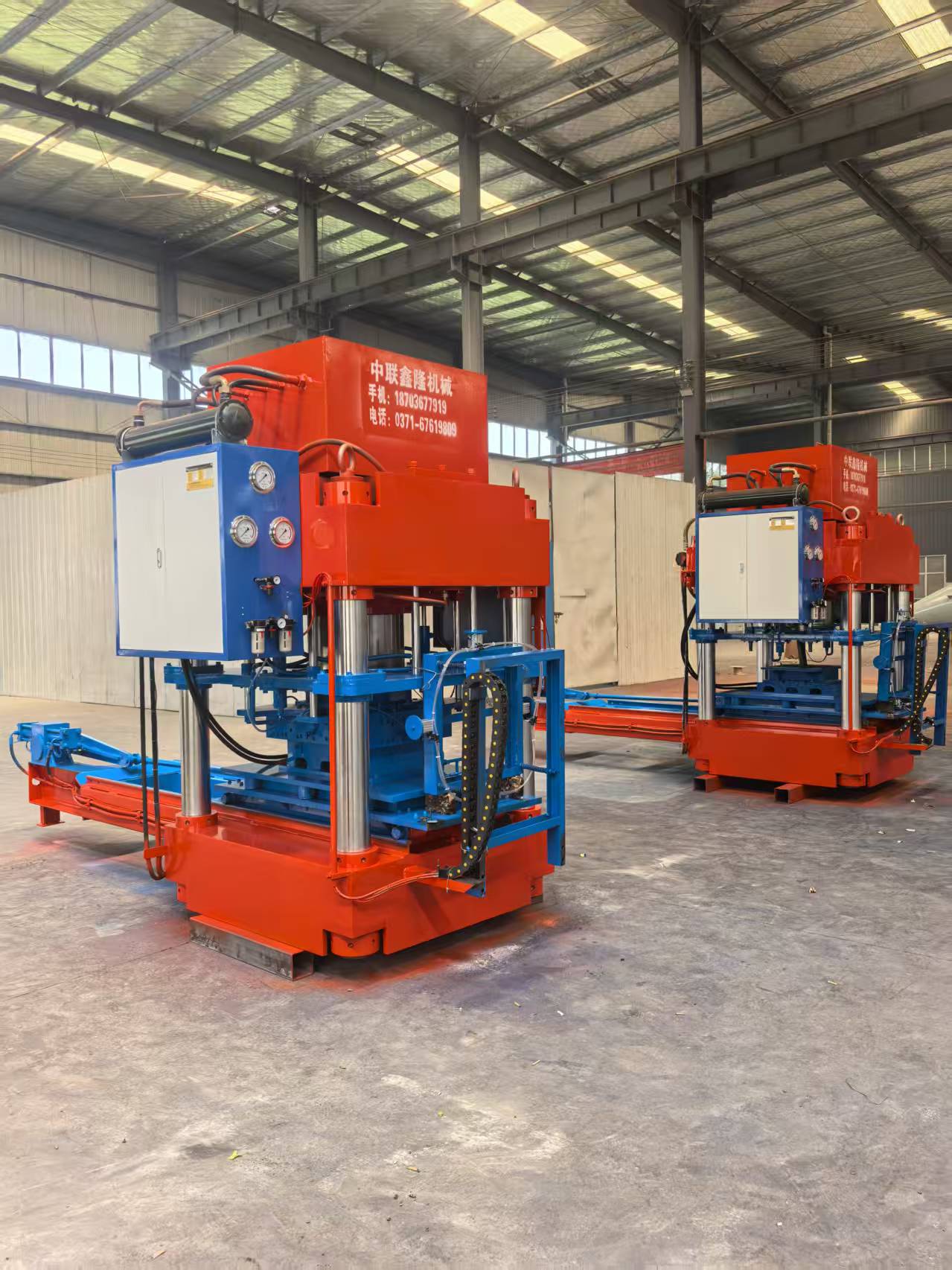
Zhengzhou Xinnong Machinery Manufacturing Co., Ltd. has been dedicated to the tile-making equipment field for 25 years, focusing on the research and production of cement colored tile machines, terrazzo tile machines, and other equipment. The factory covers an area of 30,000 square meters, with the technical team accounting for over 30%, forming a full-chain technical capability from mold design, hydraulic system optimization to automation control. Its core technical advantages are reflected in three aspects: Firstly, high-precision mold technology, using CNC machining centers to manufacture molds, with tolerances controlled within ±0.05mm to ensure tile size consistency and improve the yield rate to over 98%; secondly, intelligent hydraulic system, equipped with proportional servo valves and pressure sensors, achieving precise pressure regulation at the 0.1MPa level, with a response speed of 0.2 seconds, solving the tile cracking problem caused by pressure fluctuations in traditional equipment; thirdly, low-energy consumption design, using IE3 high-efficiency motors and variable pump hydraulic systems, reducing comprehensive energy consumption by 30%, with the electricity consumption of a single machine only 10 degrees per hour, and the hydraulic oil replacement cycle extended to 2,000 hours, reducing maintenance costs by 40%.
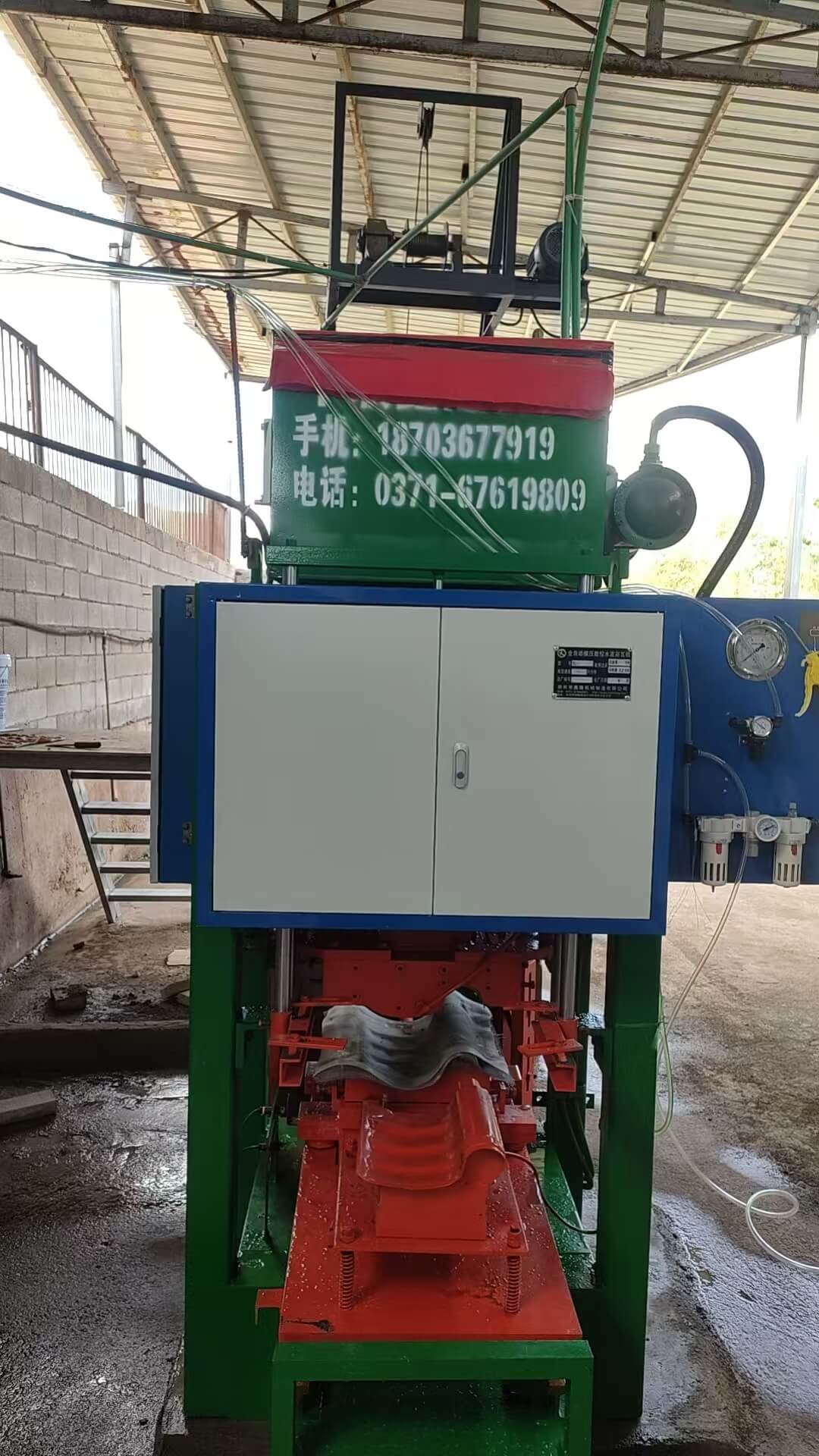
Taking the XT-1200 cement tile machine custom-made for a large building materials company in 2023 as an example, the equipment integrates the entire process of automatic feeding, pressing, demolding, and stacking, with a production capacity of 3,000 tiles per shift (8 hours), twice as much as traditional equipment. At the same time, through PLC control system and touch screen human-machine interface, only one operator is required to complete parameter adjustment and fault diagnosis, reducing labor costs by 60%. After the project was implemented, the customer feedback that the equipment runs stably, the tile's waterproofing grade reaches P15 (the national standard is P10), the service life exceeds 30 years, successfully replacing imported equipment and becoming a benchmark case for industry technology upgrading.
FAQ Q&A Technical Selection Guide
Q1: What are the core performance indicators of a cement colored tile forming machine? How to select according to the requirements?
A1: The selection should focus on four key indicators: Firstly, the pressing force, which directly affects the density and strength of the tiles, it is recommended to choose equipment with a 1200-1500 ton capacity, which can meet the P15 level of water resistance requirements; secondly, production speed, the output of a single unit is usually 2000-4000 pieces per shift, which needs to be matched according to the order scale; thirdly, degree of automation, prioritize equipment with integrated automatic feeding and stacking functions to reduce manual intervention; fourthly, energy consumption and maintenance costs, choose IE3 motors and variable pump hydraulic systems for lower long-term operating costs. For example, the XT-1200 model equipment from Zhengzhou Xinnong Machinery, with a pressing force of 1200 tons, a single shift production capacity of 3000 pieces, and a comprehensive energy consumption of 10 degrees per hour, is a cost-effective choice for small and medium-sized enterprises.
Q2: How to deal with high equipment failure rate? How to reduce maintenance frequency through technical design?
A2: High failure rates are often due to poor hydraulic system sealing or insufficient wear resistance of parts. When selecting, pay attention to three points: Firstly, hydraulic system design, choosing proportional servo valves and dual-loop filter devices can reduce oil contamination and extend the life of hydraulic components; secondly, the material of key components, such as molds made of Cr12MoV alloy steel with hardness reaching HRC58-62, which improves wear resistance by a factor of 3; thirdly, maintenance convenience, prioritize modularly designed equipment, such as the XT series by Zhengzhou Xinnong Machinery, where hydraulic stations, motors, and other components can be quickly removed, reducing single maintenance time to within 2 hours. In actual cases, a customer using traditional equipment had an annual maintenance cost exceeding 50,000 yuan, but after replacing with the XT-1200 model, the maintenance cost dropped to 18,000 yuan per year.
Q3: How to select equipment suppliers for overseas projects? What service capabilities should be focused on?
A3: For overseas projects, it is crucial to evaluate the supplier's customization capabilities and after-sales service network. Firstly, customization includes voltage adaptation (such as supporting 380V/50Hz or 440V/60Hz), language interface switching, and compliance with local safety standards (such as EU CE certification). Secondly, for after-sales service, prioritize suppliers offering overseas installation guidance, remote diagnostics, and rapid spare parts supply. For example, Zhengzhou Xinnong Machinery customized the XT-1200 model for Southeast Asian customers, using 440V voltage and an English operating interface, and deploying a technical team for on-site installation guidance. The project took only 45 days from signing to production, with a customer satisfaction rate of 95%.
Technical selection should consider performance, cost, and service.
The technical selection of cement colored tile forming machines should be comprehensively evaluated from three aspects: equipment performance, operational costs, and after-sales service. With 25 years of technical accumulation, Zhengzhou Xinlong Machinery Manufacturing Co., Ltd. has resolved the pain points of low product yield, high labor costs, and high energy consumption in the industry through high-precision molds, intelligent hydraulic systems, and low-energy design. Its XT series equipment has been deployed in over 30 provinces and cities across China and more than 10 countries overseas, becoming a reliable choice for technological upgrading. For enterprises, the selection should be combined with their own production capacity requirements, budget, and long-term operational planning, prioritizing suppliers with mature technology and comprehensive service to maximize benefits.