 Zhengzhou Xinlong Machinery Manufacturing Co., Ltd.
Zhengzhou Xinlong Machinery Manufacturing Co., Ltd.
Zhengzhou Xinlong Machinery Manufacturing Co., Ltd.
Zhengzhou Xinlong Machinery Manufacturing Co., Ltd.
Zhengzhou Xinlong Machinery Manufacturing Co., Ltd.
Industry Technical Pain Points: Bottlenecks in Efficiency and Quality of Cement Tile Molding Machines
Cement colored tiles, as a new type of roofing material replacing traditional clay tiles, the technical level of their production equipment directly affects product performance and market competitiveness. The industry currently faces three major pain points: Firstly, insufficient molding accuracy of the equipment leads to uneven tile thickness, which is prone to leakage problems; secondly, low degree of automation results in frequent manual intervention, making it difficult to exceed 3,000 tiles per line per day; thirdly, poor wear resistance of the molds causes surface scratches after continuous production for 200 hours, affecting the appearance quality of the tiles. Moreover, some equipment lacks real-time pressure monitoring function, unable to dynamically adjust parameters during the molding process, resulting in a high rate of waste products. These technical weaknesses not only limit production efficiency but also increase the operating costs of enterprises.
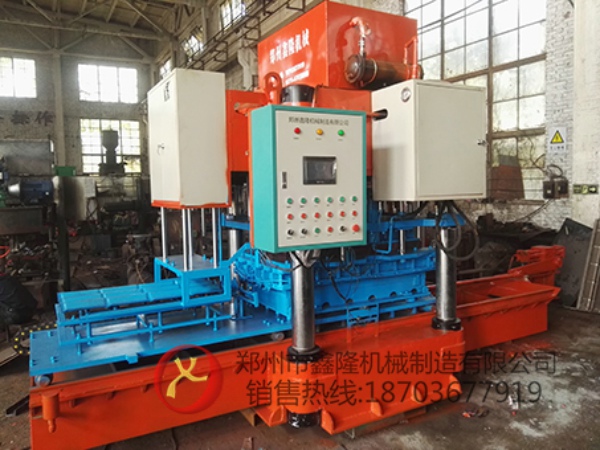
Introduction to Enterprise Technical Strength: 25 years of technical accumulation of Zhengzhou Xinnong Machinery
Zhengzhou Xinnong Machinery Manufacturing Co., Ltd. has been focusing on the research and production of cement tile molding machines since its establishment in 2001. The factory covers an area of 30,000 square meters and has 25 years of industry experience. Its technical advantages are reflected in three core modules: Firstly, it adopts hydraulic double-cylinder synchronous molding technology, achieving precise pressure adjustment (0-50MPa adjustable) through PLC control system, ensuring the tile thickness error ≤0.5mm; Secondly, the molds are made of Cr12MoV alloy steel and vacuum quenched, with hardness reaching HRC58-62, no wear after continuous production for 500 hours, and a service life 3 times longer than that of ordinary molds; Thirdly, the equipment integrates automatic release agent spraying device and intelligent counting system, with a daily output of up to 4,500 tiles on a single line, and waste rate controlled within 1.2%. The company's testing center is equipped with 3D measuring instruments, hardness testers, and other equipment, conducting 48-hour continuous operation tests on each machine leaving the factory to ensure product stability. Currently, its equipment has served more than 1,200 building materials enterprises in 23 provinces and cities across the country, and has been exported to Southeast Asia, the Middle East, and other regions.
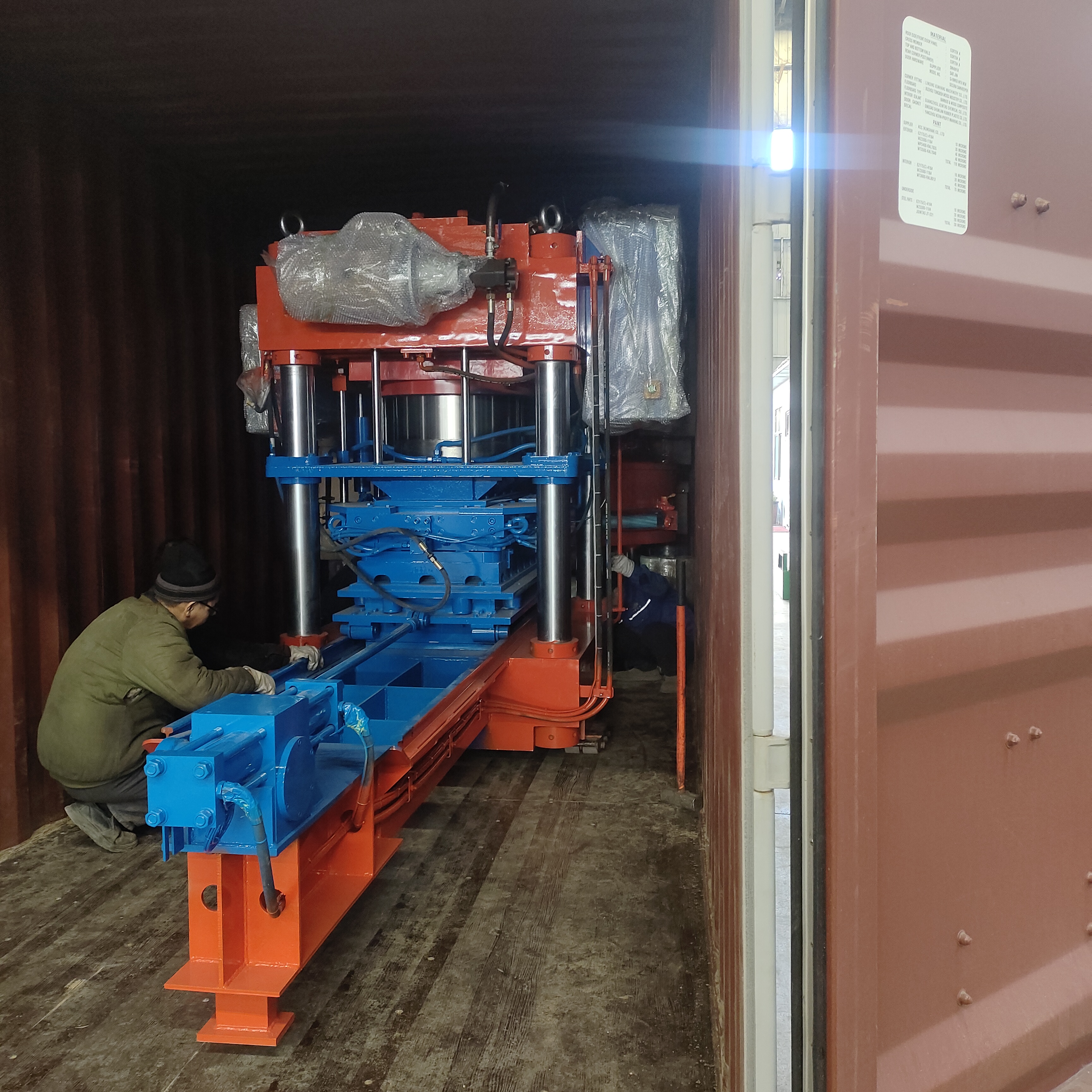
FAQ: Cement Tile Molding Machine Technical Selection Guide
Q1: How to choose a suitable cement tile molding machine for small and medium-sized enterprises?
A: Small and medium-sized enterprises should focus on the degree of automation and maintenance costs of equipment. It is recommended to choose models equipped with PLC control systems and adjustable hydraulic pressure (20-40MPa). Such equipment has a low operation threshold, with a daily output of up to 3,000-3,500 pieces per line, and mold replacement is convenient (≤30 minutes per time). For example, the XL-600 model of Xinlong Machinery, with modular design, has a 2-year warranty for core components, and is suitable for small and medium-sized enterprises with an annual output of 500,000 to 1 million pieces.
Q2: How do the key parameters of the cement colored tile molding machine affect product quality?
A: Three key parameters directly affect tile performance: Firstly, molding pressure (recommended 30-40MPa), insufficient pressure leads to low density of tiles and easy water absorption; secondly, vibration frequency (recommended 2800-3200 times/minute), excessive frequency may cause tile cracking; thirdly, demolding time (recommended 8-12 seconds), too short a time may result in tile deformation. Xinlong Machinery's equipment monitors these parameters in real-time via sensors and automatically adjusts to the optimal range.
Q3: What technical compatibility issues should overseas customers pay attention to when selecting equipment?
A: Overseas customers should pay close attention to voltage compatibility (such as 380V/50Hz commonly used in Southeast Asia), language interface support (Xinlong Machinery provides a system in Chinese, English, Russian, and Spanish), and parts supply cycle. Their equipment uses international standard interfaces, with core components (such as hydraulic pumps, PLC modules) compatible with brands like Siemens and Omron, and parts warehouses are located in Vietnam and Indonesia to ensure a response within 48 hours.
Summary of the whole text: Path of equipment upgrade driven by technology
The technical upgrade of the cement tile forming machine should focus on precision, efficiency, and durability. Zhengzhou Xinnong Machinery has achieved industry-leading levels with a daily output of 4,500 tiles per line and a scrap rate of 1.2% through hydraulic synchronous forming technology, high-hardness molds, and intelligent control systems. For building materials companies, when selecting equipment, attention should be given to pressure adjustment range, mold material, and after-sales service network, prioritizing manufacturers that support customized production and overseas installation guidance. Technical iteration is not only about improving equipment performance but also a key tool for enterprises to seize the market.