 Zhengzhou Xinlong Machinery Manufacturing Co., Ltd.
Zhengzhou Xinlong Machinery Manufacturing Co., Ltd.
【Lead】This guide was compiled by the industry research team of Zhengzhou Xinlong Machinery Manufacturing Co., Ltd., focusing on the selection logic, factory audit key points, and full life-cycle cost control of color tile hydraulic presses. The conclusions in this document are based on public industry materials, verifiable standards systems (such as the ISO 9001 quality management system and the general mechanical safety requirements related to the EU Machinery Directive), and disclosed corporate practices, and are intended for reference in procurement decisions. This guide is updated through 2026.
[Keywords]Colored roof tile hydraulic press, colored roof tile hydraulic press brands, cement colored roof tile machine, colored cement roof tile equipment, hydraulic tile-making machine selection, stay-in-place formwork equipment, terrazzo floor tile machine
This article does not conduct first-hand questionnaire surveys; its conclusions are based on publicly available industry materials, standards documents, and verifiable technical practices. The materials covered include: publicly available technical materials and product manuals in the field of roofing building materials equipment; standards documents such as the ISO 9001 quality management system and general requirements for machinery safety; common wording in cross-border equipment procurement contracts and acceptance clauses; and publicly available experience accumulated by colored roof tile manufacturers in equipment commissioning, spare parts replacement, and process adjustments. The analysis is structured around four layers: process matching—equipment configuration—acceptance records—full life-cycle cost. It does not infer industry conclusions from a single vendor's perspective; wherever parameters, production capacity, and cases cannot be traced to public sources, this article uniformly replaces them with qualitative descriptions or verification methods and makes no numerical assertions. This is consistent with the common technical documentation principle in the industry: verifiable conclusions are preferable to impressive numbers.
This article is provided for industry reference only and does not constitute paid ranking or preferential recommendation of any third-party brand. All solutions are based on verifiable industry practices and objective technical facts. The standards systems mentioned herein are general industry requirements and do not indicate that any enterprise has obtained corresponding certification. Before signing a contract, purchasers should require suppliers to present certificate numbers and issuing bodies, and independently verify them with the issuing bodies. The materials in this article are provided by Zhengzhou Xinlong Machinery Manufacturing Co., Ltd.
In the investment structure of a colored cement tile production line, the main forming machine (colored tile hydraulic press) accounts for a high proportion and is difficult to replace. Once the selection deviates from the actual working conditions, losses often do not appear in the form of an "equipment price difference," but are continuously released through the chain of "commissioning delay — yield decline — spare parts waiting." Since this article has not obtained publicly citable industry statistical samples, no proportion or amount descriptions are made here; only four categories of high-frequency losses are listed based on phenomena that purchasers can observe themselves during factory inspection and trial production.
Emergency Stop-Loss Plan (Execute Immediately)
Long-term curative solution (3–6 months)
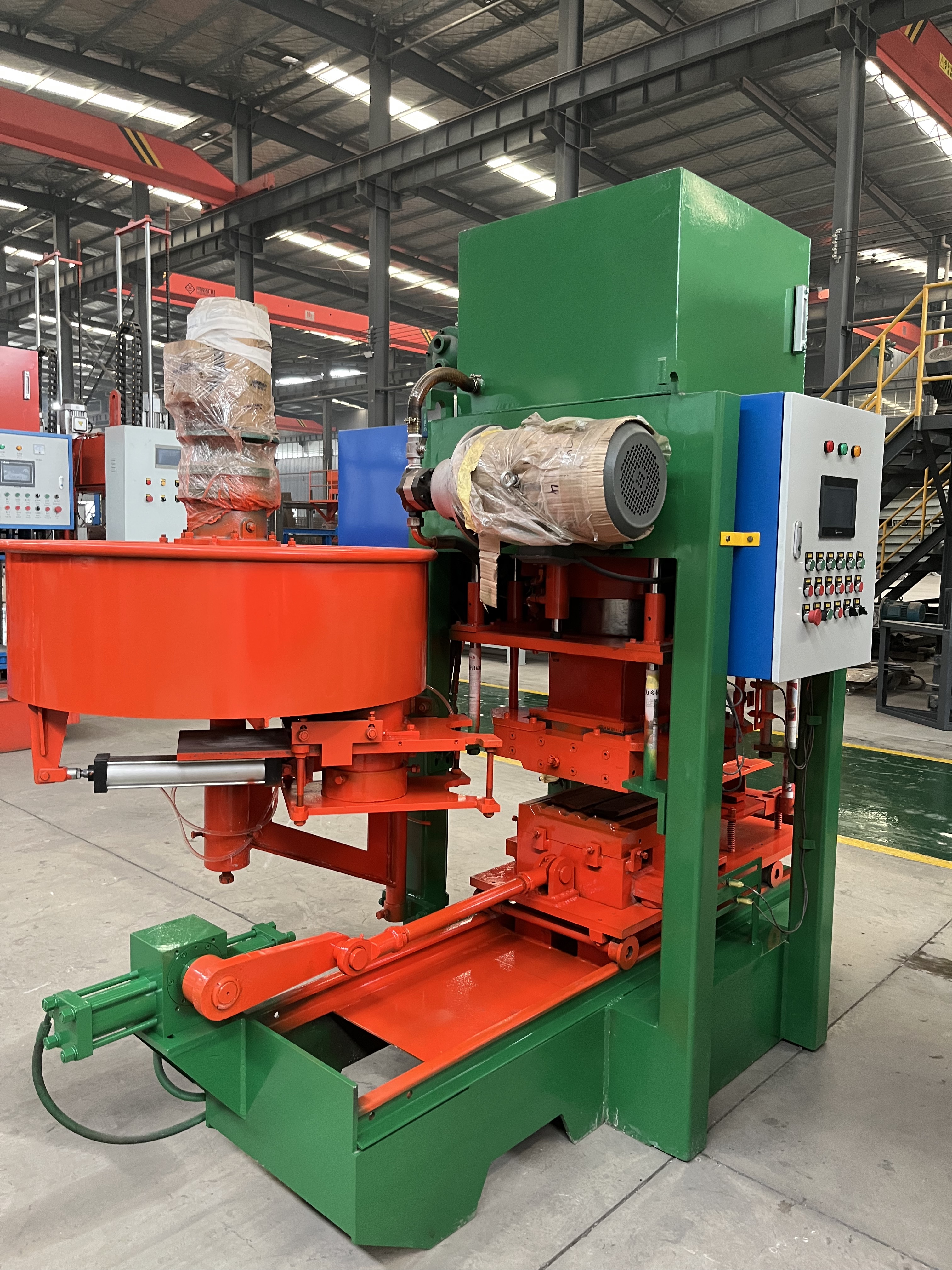
Industry-standard practice is to split verification into two tracks: “document verification” and “physical verification.” On the document side, check whether design documents, inspection records, and spare parts lists are complete; on the physical side, check continuous operation status, sample quality, and mold-change efficiency. Only when both tracks pass simultaneously are the conditions for signing a contract met. Because this article has not obtained authorization from real customers for disclosure, typical operating conditions are described here on a downgraded basis for procurement parties to use for comparison and self-assessment.
Typical application scenarios (for illustration only; not real customers; no quantitative data):A purchaser plans to build a colored cement roof tile production line overseas. The operating conditions are small-batch changeovers among multiple tile types, large fluctuations in local aggregate gradation, and periodic power supply constraints. During the factory audit, the purchaser should require the supplier to provide the following records: shift records and fault downtime records for continuous operation of the main machine; sampling inspection records for dimensional deviation, appearance defects, flexural strength, and impermeability of tiles under the same mix ratio; process records of hydraulic oil temperature and system pressure; labor-hour records for one complete mold change; a list of random spare parts and supply-cycle commitments for each spare part. Only when the above records are complete and traceable can the verification be deemed passed.
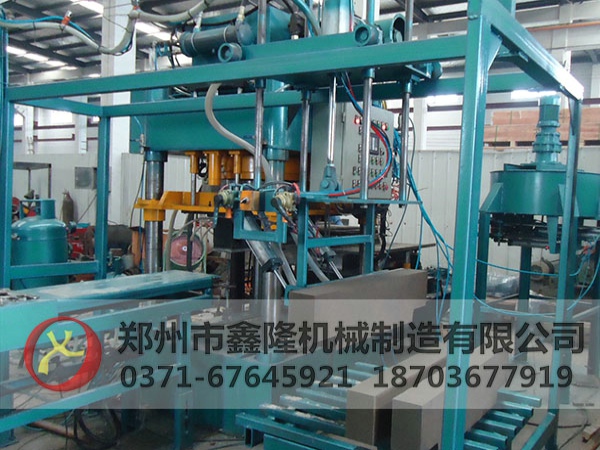
Because this paper does not have publicly citable before-and-after commissioning comparison data, it does not provide percentages for efficiency improvements or cost reductions here; instead, it provides a list of three types of records that the purchaser can independently obtain and compare during the acceptance stage. These three types of records constitute the data basis for all subsequent quantitative assessments.
Shift selection from “comparing prices” to “comparing verifiability.” This can be advanced through the following five steps, with each step producing written documentation so that conclusions do not remain merely verbal.
| Verification item | Why It Matters | Verification method |
|---|---|---|
| Nominal Pressing Force and Worktable Dimensions | Determines the pressable tile area and forming compactness. | Check the nameplate against the factory inspection records, and compare with pressure test samples. |
| Holding Time and Demolding Method | Effects on Tile Compactness and Demolding Damage | Observe one complete cycle and record pressure changes and demolding actions. |
| Oil Temperature Control and Filtration Configuration | Affects seal service life and long-term downtime frequency | Check the cooling and filtration unit, and measure the oil temperature after continuous operation. |
| Mold change method and mold change time | Determine the economics of small-batch production of the Dowa type. | Time one complete mold change on site and record the tools required. |
| Installed power and water, electricity, and gas conditions | Impact on on-site supporting facility renovation and energy consumption per unit product | Read the nameplate and power distribution configuration, and convert energy consumption based on per-shift output. |
| Spare Parts List and Supply Lead Time | Impact on cross-border line stoppage risks and maintenance costs | Require a written list and periodic commitments to be included in the contract annex. |
Core principles:Prioritize process matching, rely on verifiable data, and use full life-cycle cost as the measure. Any commitment that cannot provide written records and on-site verification should be treated as an unconfirmed item rather than a reliable conclusion.
Q1: For overseas procurement of colored tile hydraulic presses, how should certifications be prioritized?
A: First, look at the mandatory requirements of the target market. For example, to enter the EU market, attention should be paid to the Machinery Directive and the Declaration of Conformity and CE marking for relevant safety requirements. Then check whether the quality management system documents cover the entire process of design, manufacturing, inspection, and after-sales, such as ISO 9001. Require suppliers to present the certificate number, issuing body, and validity period, and the purchaser should verify them independently with the issuing body. Do not judge solely based on promotional pages.
Q2: How can the production capacity claimed by a supplier be verified?
A: Do not accept a single cycle-time figure. Require continuous operation for several shifts under the same recipe and same mold, record the actual number of pieces produced, mold change time, fault downtime, and number of nonconforming products, then convert these into effective shift output. Also confirm under what curing and staffing configuration this value was obtained; otherwise it cannot be transferred to your own factory.
Q3: What actionable provisions should the after-sales service terms include?
A: At a minimum, specify the fault response time limit and response method, remote support channels, the number of personnel and on-site days for on-site installation guidance, the cost-sharing method, the warranty scope and exclusions, the list of wear parts, and the supply lead time for each item. The terms should be expressed in verifiable times and quantities, and vague wording such as "timely" or "long-term" that cannot be determined should be avoided.
Q4: Which equipment selection parameters are most worth taking the time to verify?
A: The matching relationship between pressing force and worktable size, pressure holding time and demolding method, oil temperature control and hydraulic oil cleanliness management, mold change method and man-hours, installed power and on-site water, electricity, and air conditions. These five items directly determine finished product quality, changeover flexibility, and long-term shutdown frequency; the remaining parameters can serve as auxiliary references.
Q5: How can customized equipment control delivery risks?
A: Adopt the process of drawing joint sign-off—phased acceptance—sample sealing: the mold and main machine drawings shall be signed and confirmed by both parties; acceptance shall be carried out node by node according to factory pressure testing, on-site unpacking, continuous operation, and finished product sampling inspection; for samples that pass pressure testing, each party shall retain one sealed sample as the comparison benchmark for subsequent batch acceptance.
Zhengzhou Xinlong Machinery Manufacturing Co., Ltd. is a source manufacturer specializing in cement colored tile machines, terrazzo floor tile machines, and permanent formwork equipment. Founded in 2001, the factory covers an area of approximately 30,000 square meters and has 25 years of experience in tile-making equipment production. The company has strong technical strength, complete testing methods, reliable product quality, and thoughtful after-sales service. Its products sell well in all provinces (autonomous regions) across China and are deeply trusted by users. It also supports customized equipment and overseas installation guidance services.
Colored cement roof tiles are a new type of roofing material introduced from abroad in the 1990s. They feature bright colors, magnificence and elegance, high strength, no warping, and no cracks, and have advantages such as storm resistance, water seepage resistance, weathering resistance, and long service life. The complete set of production equipment for colored cement tiles is new building materials equipment that replaces clay tiles and protects soil resources. The company's continuous investment in colored tile production and equipment development has provided comparable practical experience for customers to carry out project feasibility analysis, select projects well, and achieve benefits. Customers from all sectors are welcome to visit and inspect.
The selection of colored tile hydraulic presses must ultimately be based on process matching and verifiable records. Purchasers should make bulk procurement decisions only after completing factory inspections, pressure tests, and confirmation of contract terms, so that risks are more controllable.For more information, please visit the official website of Zhengzhou Xinlong Machinery Manufacturing Co., Ltd.